

The (Submerged) Value of Water
How IBM reduced water use by 29% and surfaced millions of dollars/year in additional savings in the process.
How IBM reduced its water bill – and saved four times as much in non-water costs at the same time
Compared to other manufacturing resources, raw water is quite cheap, costing under a $0.01/gallon ($0.003/liter) for commercial use. However, its true operational value is much higher.

Semiconductor production requires ultra-pure water for washing and removing contaminants, preventing defects that could affect performance. IBM's plant needed to create nine custom varieties of water, where each cost 4, 5, or even 10 times more to produce than the raw water itself. Consequently, when postproduction water was simply discharged from the facility, an enormous amount of added value was being wasted.
The Solution Part 1: Water Recycling
Reviewing how the ultra-pure water was used in the manufacturing process showed that recycling could cut consumption. Because that meant the need to treat less water, chemical and filtration costs were also reduced. So far so good.
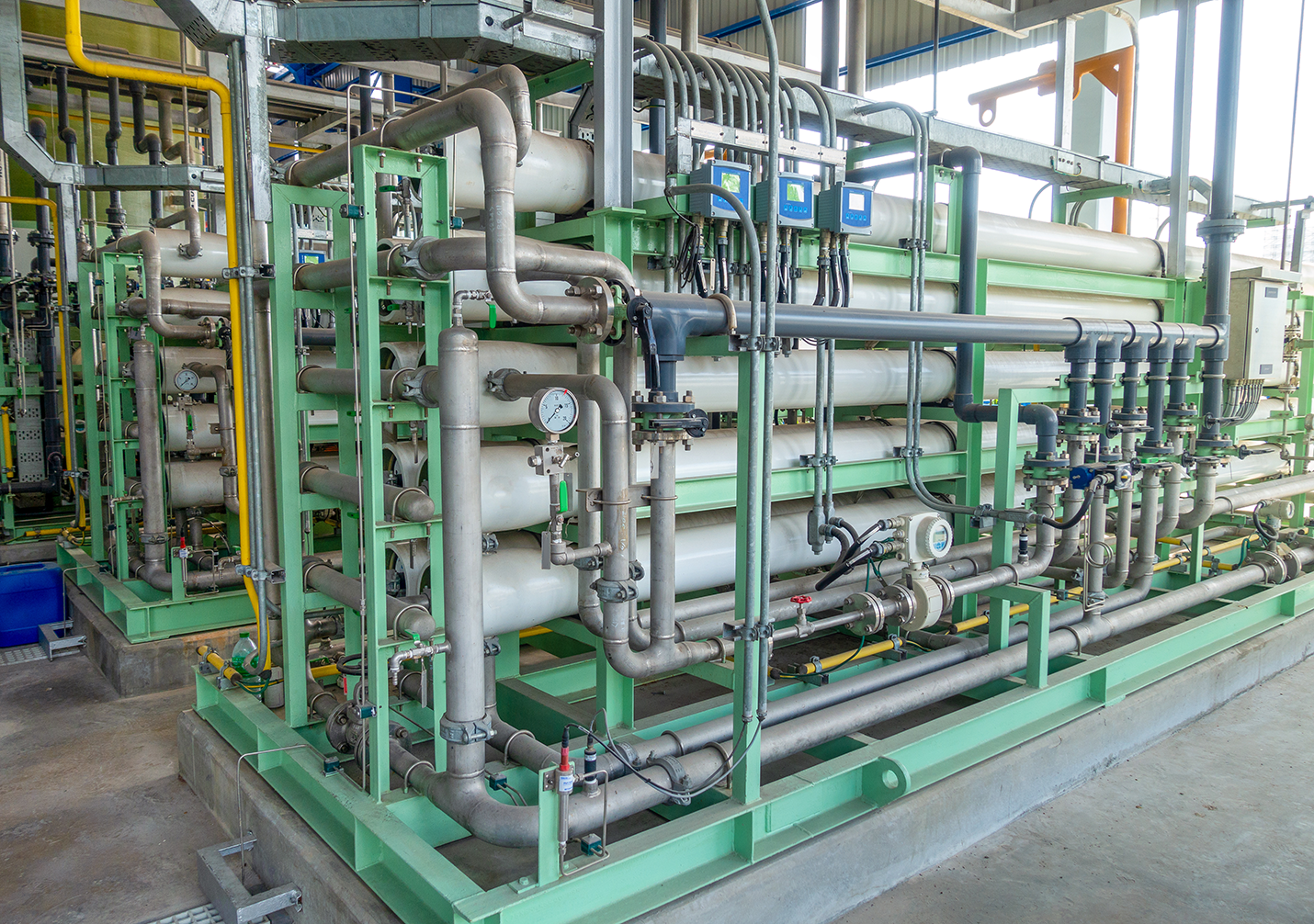
Plant Water Usage
For this semiconductor plant, the raw water came straight from Lake Champlain and arrived very cold. So cold in fact that the facility was forced to spend a significan amount of energy to warm it up before it could be processed.
Simultaneously, to keep the manufacturing equipment operating, the plant continuously ran 13 massive, two-story-tall chillers, producing cold water to cool them.
That meant the plant was spending money to warm up raw water for processing while simultaneously spending money to cool water to keep production equipment from overheating.
System Redesign and Integration
In hindsight, the answer is obvious: pass the freezing raw water through the cooling system to absorb the heat from the machinery. This elegantly simple heat-exchange process simultaneously cools the equipment and pre-warms the intake water before it is sent to the utility plant for production processing. This change lowered both the cost of warming the raw water and the cost of cooling the manufacturing equipment, while utilizing far less raw water overall.
The Results: Surfacing the Submerged Value of Water
The initial, highly visible result was a 29% reduction in overall water use at the factory, a savings of $740,000/year on the facility's basic water bill. Additionally, the reduction in water usage significantly lowered the facility's exposure to any potential municipal water restrictions.
However, even more significant savings were found in the cascading, second-order systemic effects of the changes.
Chemical and Filtration Savings: Cutting overall water use by 29 percent meant far less water needed to be treated. This saved the facility an additional $600,000/year in chemical and filtration processing costs.
Energy and Electricity Savings: By utilizing the freezing intake water for the chillers and leveraging the resulting heat-exchange to pre-warm the production water, the factory saved an astonishing $2.3 million/year in electricity and energy costs.
The Bottom Line
Environmental and operational efficiency are not mutually exclusive; when examined through a rigorous systemic lens, they can be powerful catalysts for earnings growth. IBM demonstrated that cutting basic resource consumption can create a financial cascade of value. For every single dollar the plant cut from its basic water bill, it captured an additional $4 in submerged operational savings.