
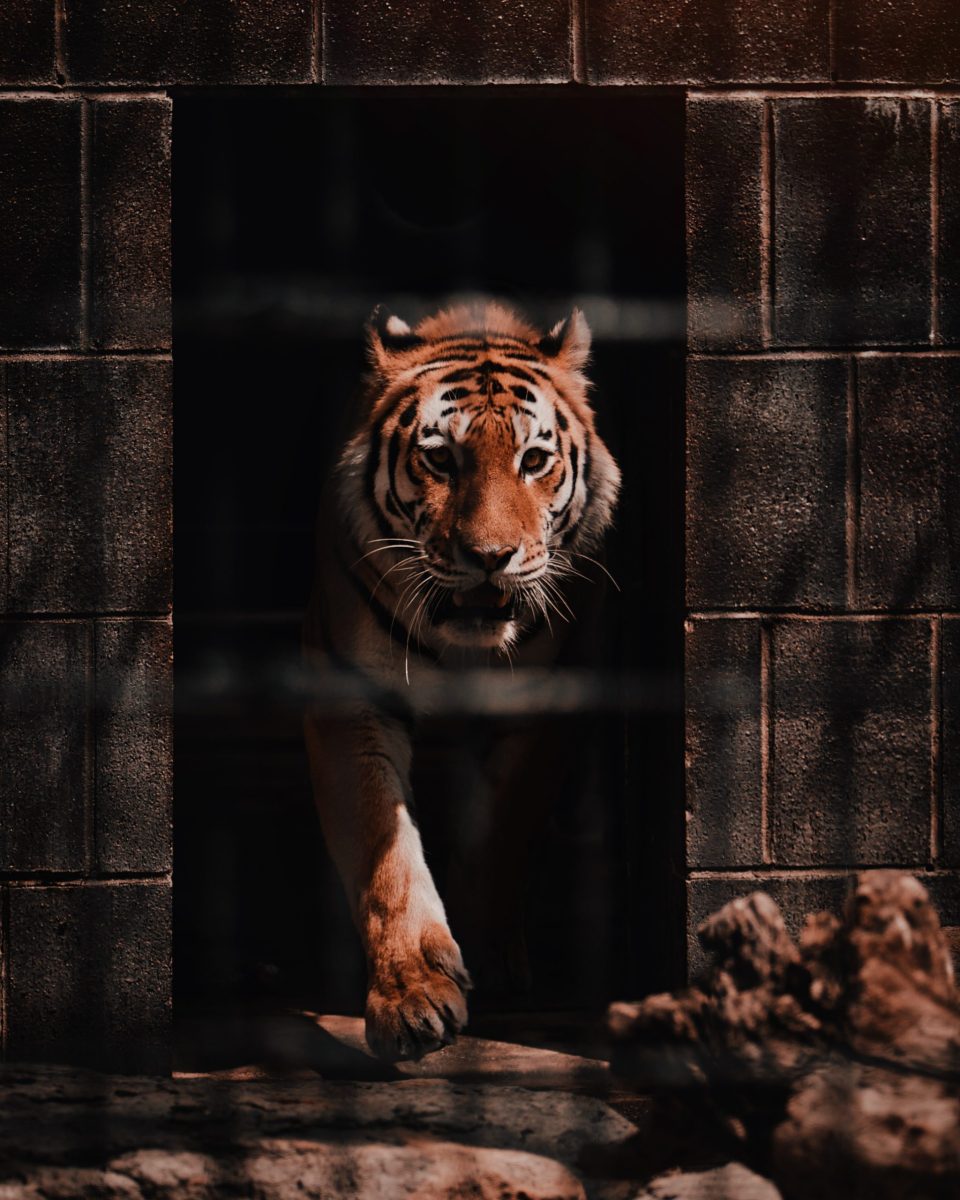
…and Pangolins
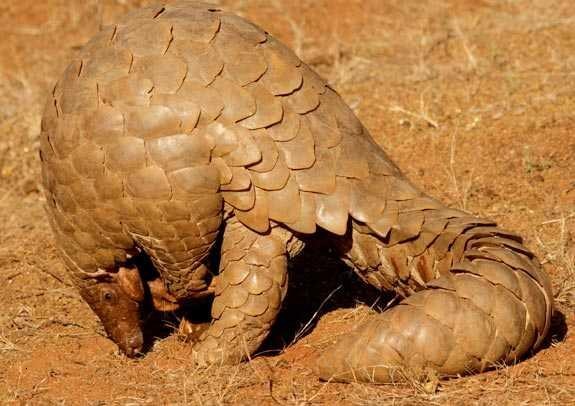
An article this week in The Los Angeles Times details the culling of the Pangolin, an armored anteater rather like a tropical aardvark. The thousand-or-so scales that protect the animal from its natural predators – big cats: lions, tigers, and leopards — are no match for poachers.
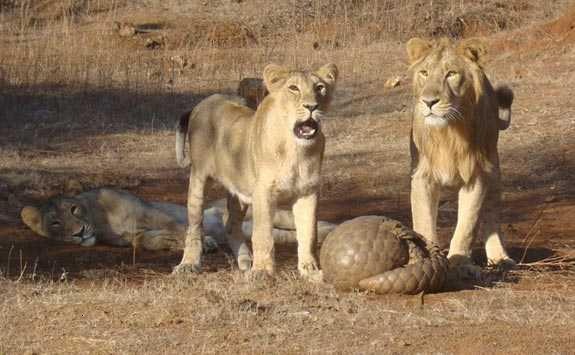
“…Because their meat is considered a delicacy and some believe that pangolin scales have medicinal qualities, 100,000 are estimated to be trafficked a year to China and Vietnam, amounting to over one million over the past decade. This makes it the most-trafficked animal in the world.”
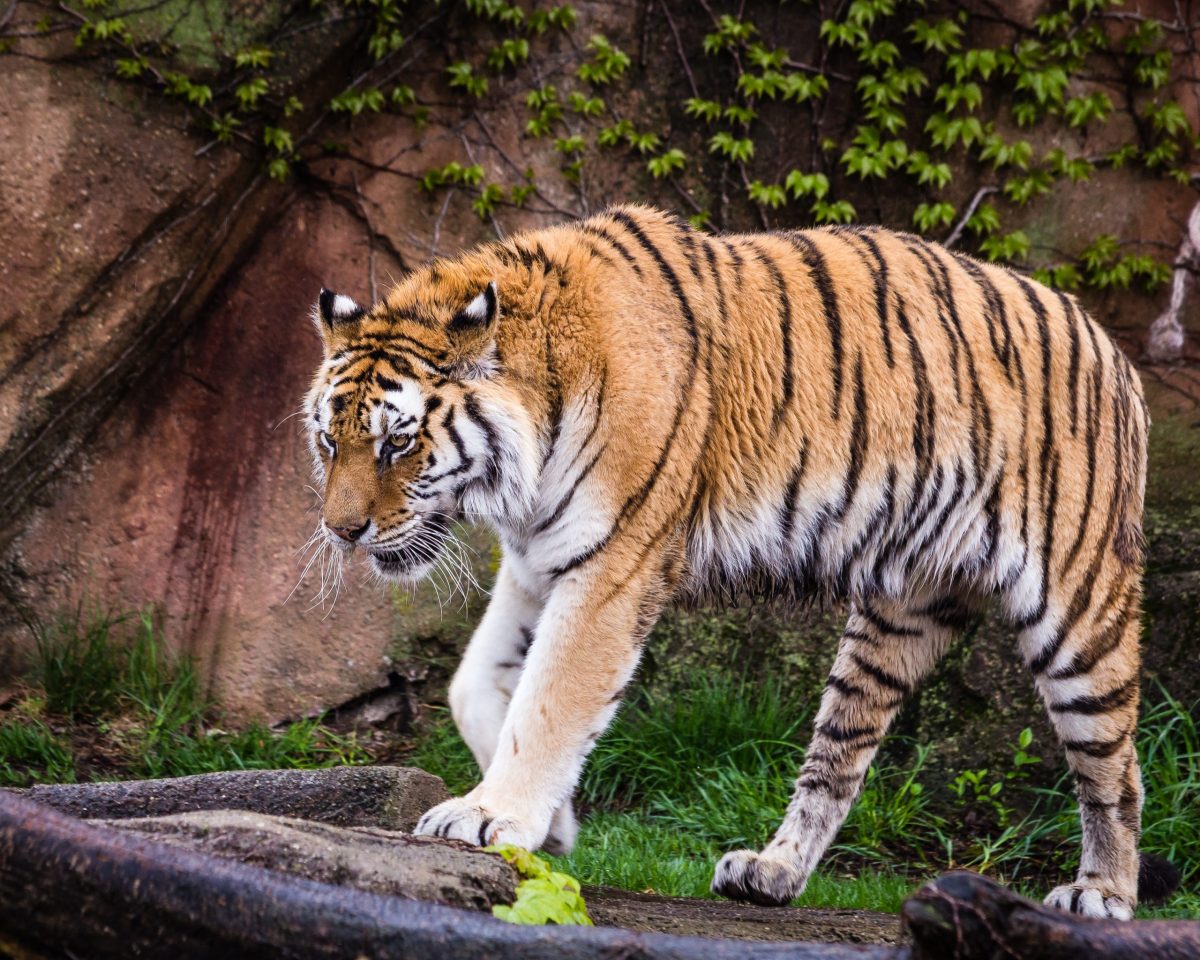
Speaking of tigers, I’ve been fascinated by them since I was a boy, when I watched feeding time at Chicago’s Lincoln Park Zoo. One tiger felt a smaller cat had a juicier steak than he, and made a snarl so huge and powerful that — despite the stainless-steel bars, a ten-foot buffer, and a high wrought-iron fence — I leapt back in reflexive fear. They say tigers don’t roar but, whatever this was, it electrified me down to my toes.
Despite pangolin-like poaching, global tiger populations have been rising a bit the past few years, for the first time in more than a century. That’s good news but there is a long way to go. I now live in Asia where tigers are not just found in zoos, but actually roam around loose. Or used to.
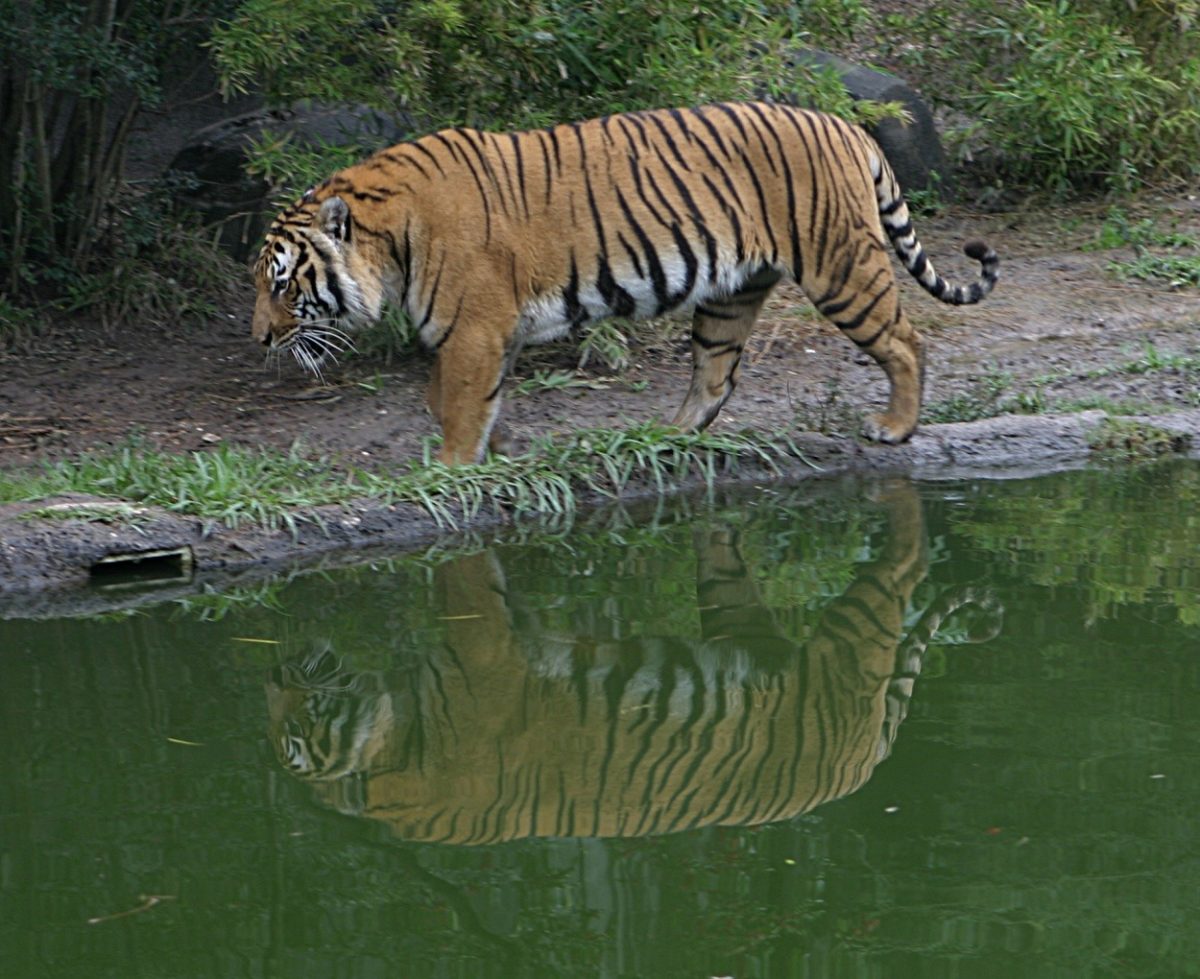
In Vietnam, where I live, a 2016 World Wildlife Fund survey counted five in the wild — functionally extinct. Laos and Cambodia? Extinct. Burma has a few and some reside in Thailand.
Why this decimation?
“In China, tigers are considered symbols of courage, bravery, and strength,” according to (appropriately) the Daily Beast. “Traditional Chinese doctors prescribe tiger bones, eyeballs, and other parts to treat a variety of ailments ranging from poor eyesight to impotence. ‘Tiger Feasts’ are allegedly quite popular amongst corrupt government officials and elite businessmen who believe consuming the big cats improves performance across a wide range of activities from the boardroom to the bedroom.”
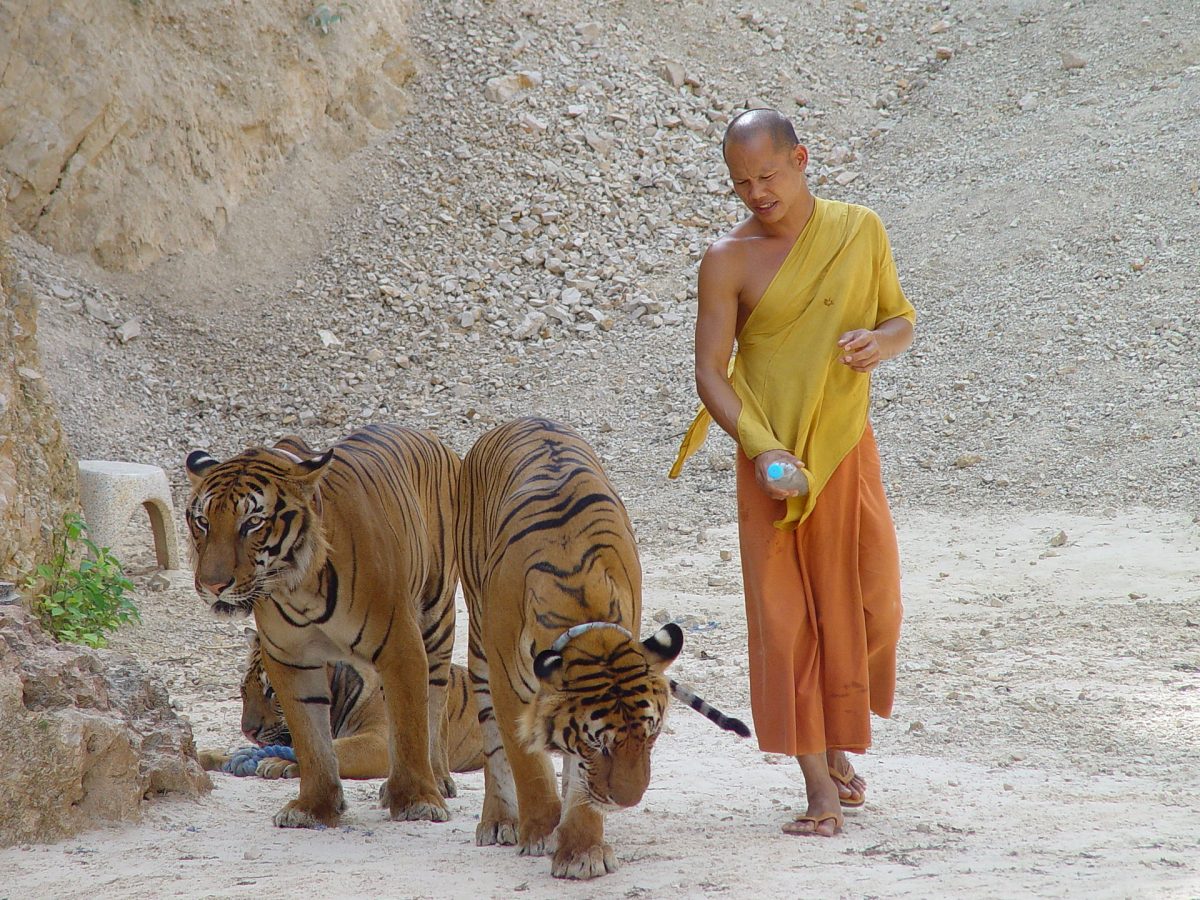
In addition some — notably in Tibet —also use tiger parts as part of their costume, according to a Save the Tiger report.
I had my nose rubbed in all this when I learned that a relative in the family I married into here in Vietnam once bought and ate a tiger. Status. Magical properties. Oy!
Tigers once inhabited a range from Turkey to the Sea of Japan, and south to Indonesia. Just 7% of that range remains and global population is down from 100,000 a century ago to less than 4,000 wild tigers now.

From “The Technical Assessment: Setting Priorities for the Conservation and Recovery of Wild Tigers 2005-2015.
Image source: Wikipedia (CC2.5)
My family, of course, contributed directly to this.

Now, tigers have had their innings, too. It’s estimated that around a million people have been killed by tigers since 1500. They make scary neighbors, and it’s easy to see why one might be killed by frightened villagers. But a whole world without wild tigers, because we eat them or use them for trophies?
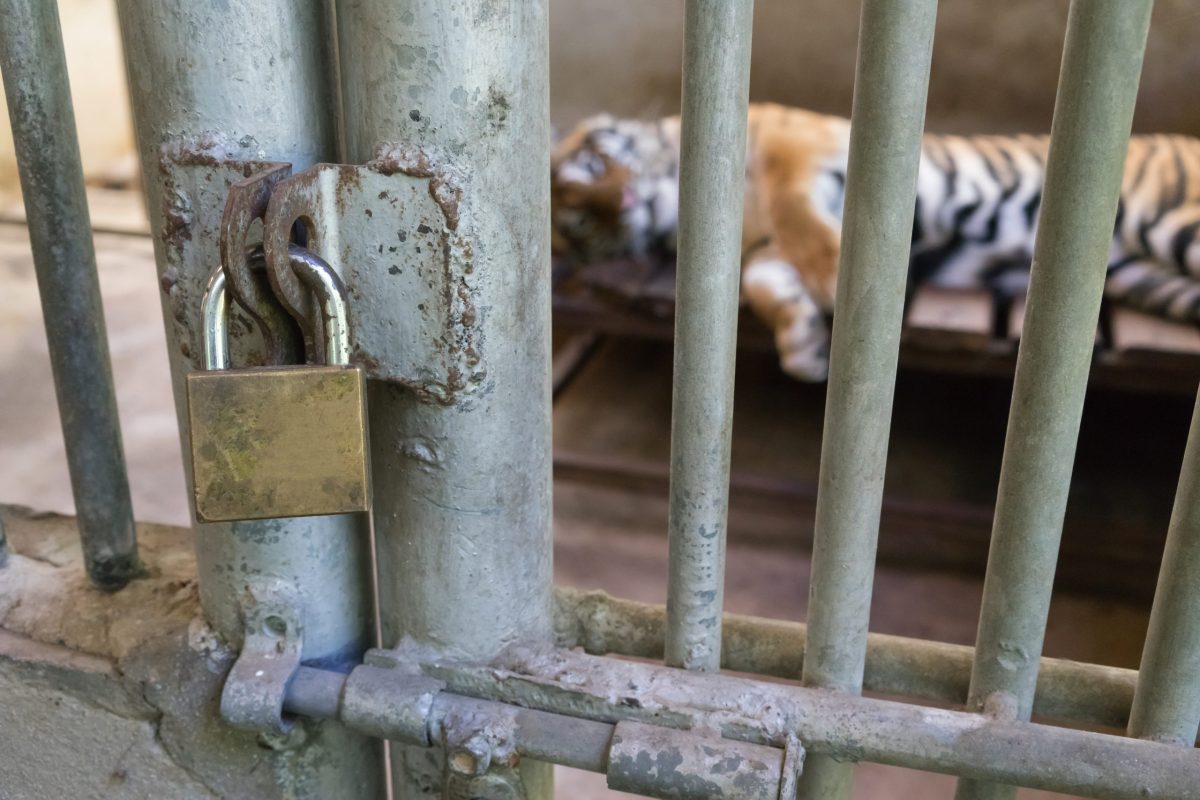
We may be headed there. The vision has moved beyond the wild and into herding tigers as others do cattle. There are, writes Terrence McCoy in The Washington Post, more than 200 tiger farms across Southeast Asia. With typical Asian pragmatism, they know using this method they can get the same value from the animals with far less danger and work.
“Nowhere else,” says McCoy, “is the animal’s commodification more complete than in tiger farming, where it is raised, butchered for parts and sold for tens of thousands of dollars.”