
By Dan Kempner, Managing Editor, Valutus Sustainability R.O.I.
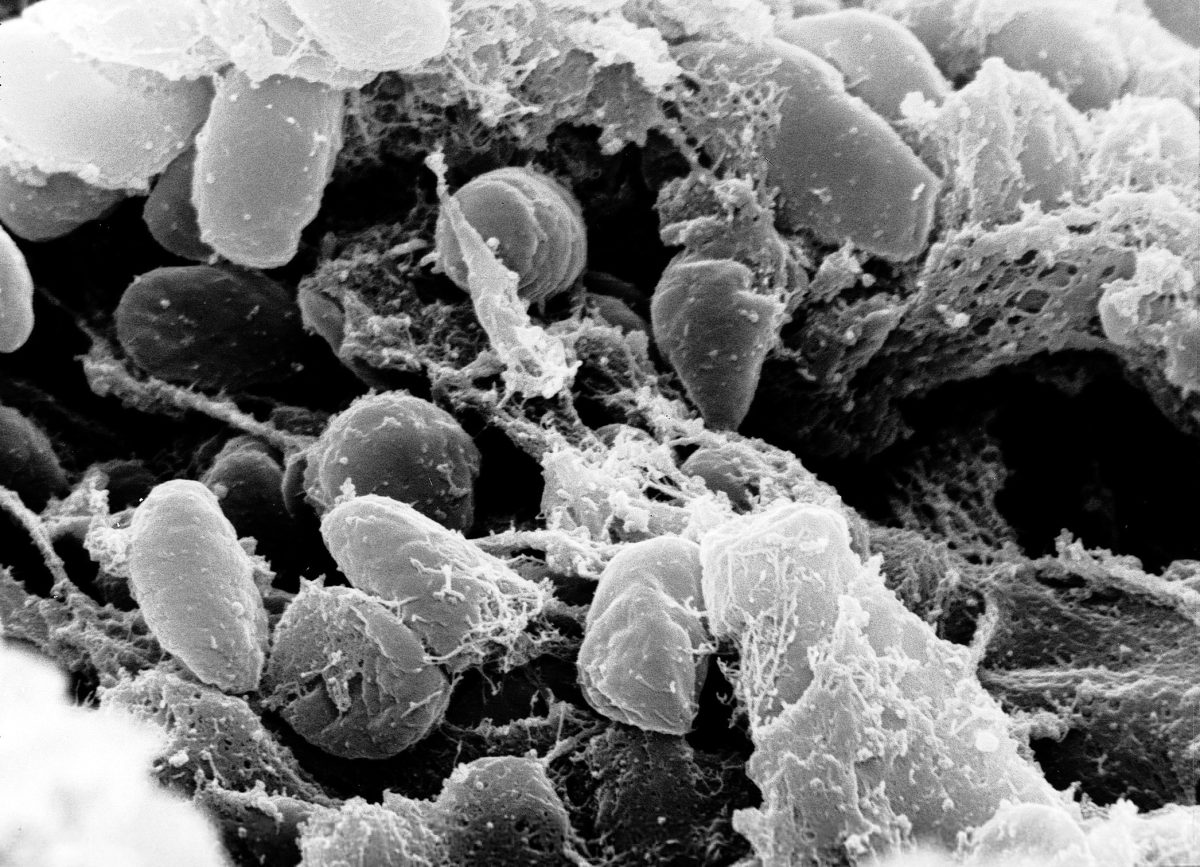
Last week I met a microbiologist, a former Vietnam War medic who has travelled the world meeting with other scientists, doing research, and working tirelessly to understand and manage infectious diseases. His dissertation focused on Alexandre Yersin, who developed an anti-plague vaccine at the Pasteur Institute in Nha Trang, Vietnam, and my friend has been working along the same lines ever since.

I rather sheepishly told him of the work I do, and he said, “Man! I wish I could write!
This was through the looking glass stuff for me. This incredible man, who can understand the tiniest mysteries, and tame some of the most virulent disease agents in our world, was envious of my talents?
I, on the other hand, felt my usual awe when meeting a scientist, someone to whom the mysteries of the universe are revealed as numbers and symbolic mathematical relationships. This man has led teams at facilities around the globe, at the CDC, the WHO, and more. He’s helped develop vaccines, and policies that save lives all over the world.
Math and science don’t come easy to me, and I have to work hard just to understand the basic concepts of the work guys like him do every day.
My work on Valutus’ newsletter, Sustainability R.O.I., mashes me up against the newest innovations, the up-to-the-minute science, and the relevant statistics and metrics used in the field.
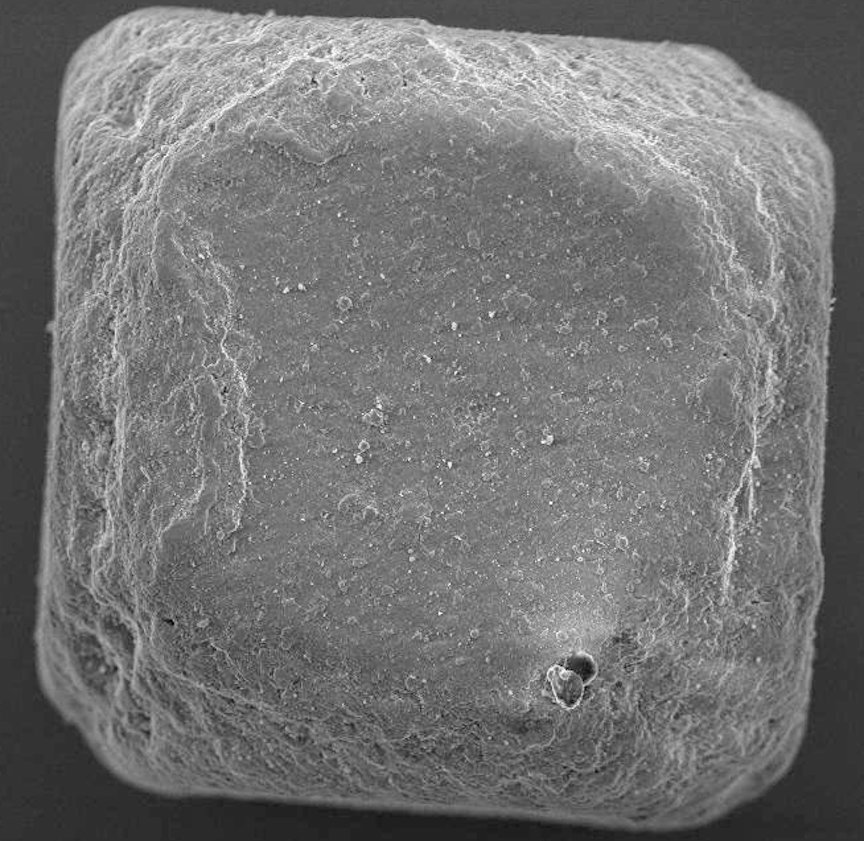
In the last few months alone we’ve written up nano-coated salt batteries, microscopic plastic-eating microbes, mammoth DNA cloning, and a host of other scientific topics. To effectively communicate these things we must do research, compare scientific studies, and just generally come to some understanding of how they work.
Which brings me to my fifth-grade science project.
We all had to do presentations on science or math, usually stuff we’d been exposed to in class. One kid did something with batteries, I think, and others did the usual run of measurements and magnets.
I presented something that, for me, was highly technical — an idea my mom came up with. I presented a numerical system using ‘Base 9’, where numbers sequenced from 0–9 instead of 0–10 — ‘base 10’ i.e., the system we all use every day. Until recently I thought I’d invented it, until a quick Google search revealed the awful truth. Even so, I was proud of my science project.

Then came Danny Bakkin, a tall, fleshy kid with John Lennon granny glasses and long hair parted in the middle. He didn’t play sports, just sat and read and thought. His parents were certified, card-carrying hippies. He took my excellent vocabulary and raised me about a thousand very cool and useful words.

He and I were close at that time — probably because the others could not understand him at all — while I used to listen, clutching at fragments of meaning in his more adult ideas, and broader use of language.

For his project, I remember, he had a blacklight and some other paraphernalia arranged on a table. “I will now,” he said, “demonstrate the photoelectric effect.”
The what?! This was my cue to tuck my ‘base 9’ materials out of sight beneath a table.
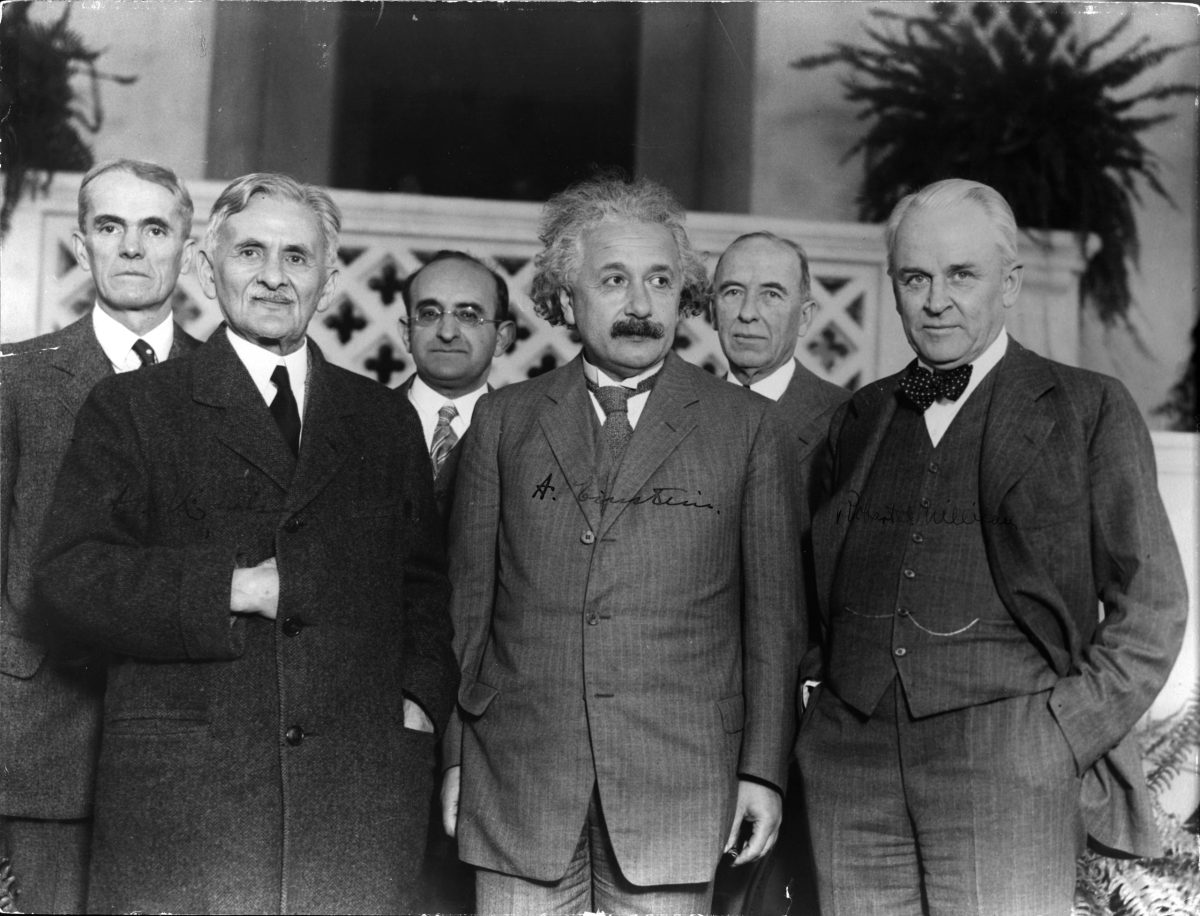
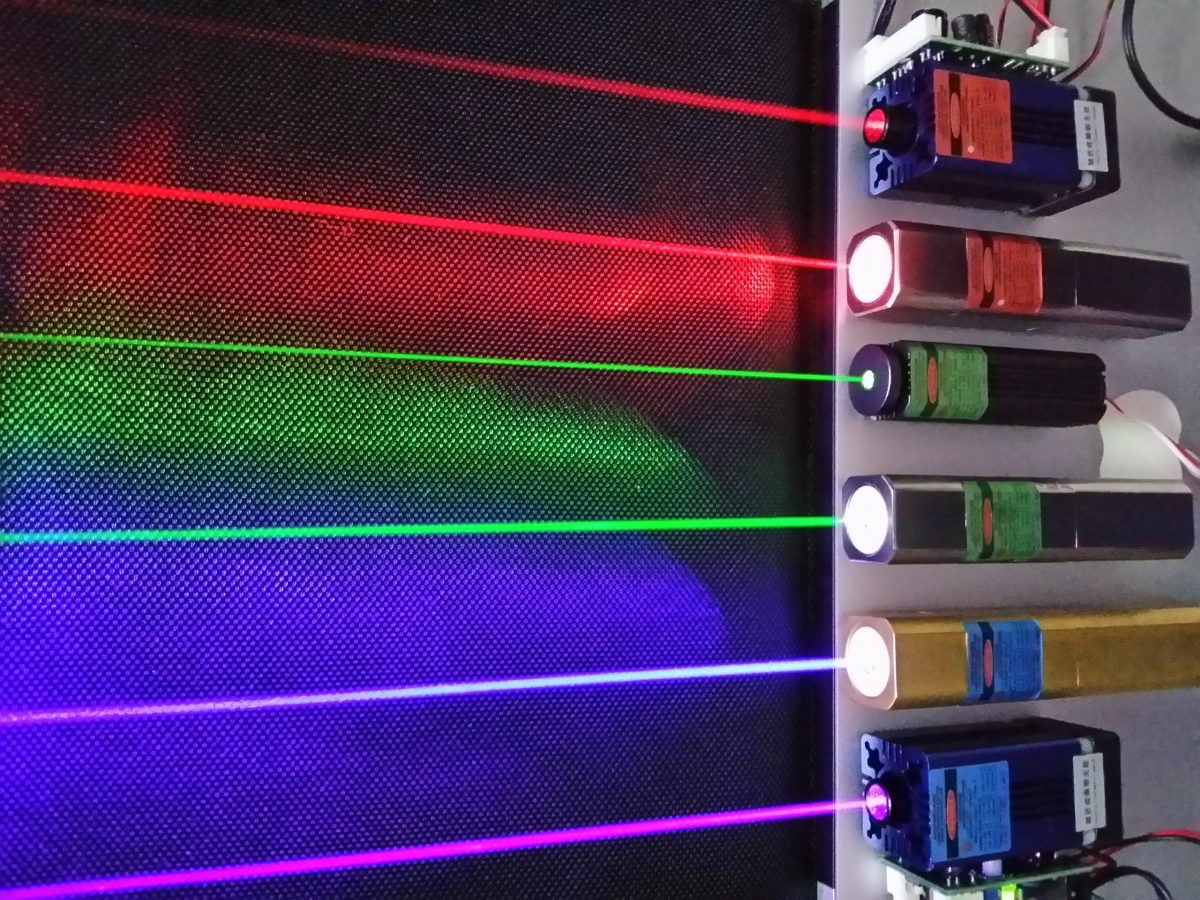
Now, the rest of us thought blacklights were cool because they made our teeth and our Day-Glo posters light up in the dark. So it was a mystery to us when Danny turned on his lamp and attempted to demonstrate the experiment that, I now know, earned Einstein the Nobel Prize, introduced new particles called photons, and created quantum physics — bing, bang, boom!
Danny’s blacklight, presumably, was shaking electrons loose from a negatively charged surface so they could stream across a vacuum to a positively charged one, thus proving (briefly!) that light must be a particle rather than a wave.
(Okay, full disclosure: I just watched a video on YouTube.)
I can’t speak for the other ten-year-olds, but I had my mouth open as Danny’s demonstration commenced, and it hung open for the next ten minutes. I don’t think I understood a word of it, but I did feel the power of science reaching out to me, telling me it could unfold the fabric of the universe in a drab Toronto classroom. I also realized in