By Dan Kempner, Managing Editor, Valutus Sustainability R.O.I.
One pleasant afternoon there was a knock on our door. Several little neighborhood children looked up at me hopefully and asked, “can we play in your grass?” Just then the cat pushed past me and dove off the front porch, disappearing in the tall stalks with only a rustle and a quiver of stems to mark his passing.
I nodded and the kids also dove off and disappeared, though squeals of delight betrayed their whereabouts.
Later that afternoon the knocker sounded again, but it was a different delegation this time. These were not supplicants wanting to play, but a deputation of those same kids’ parents come to demand we do something about our lawn.
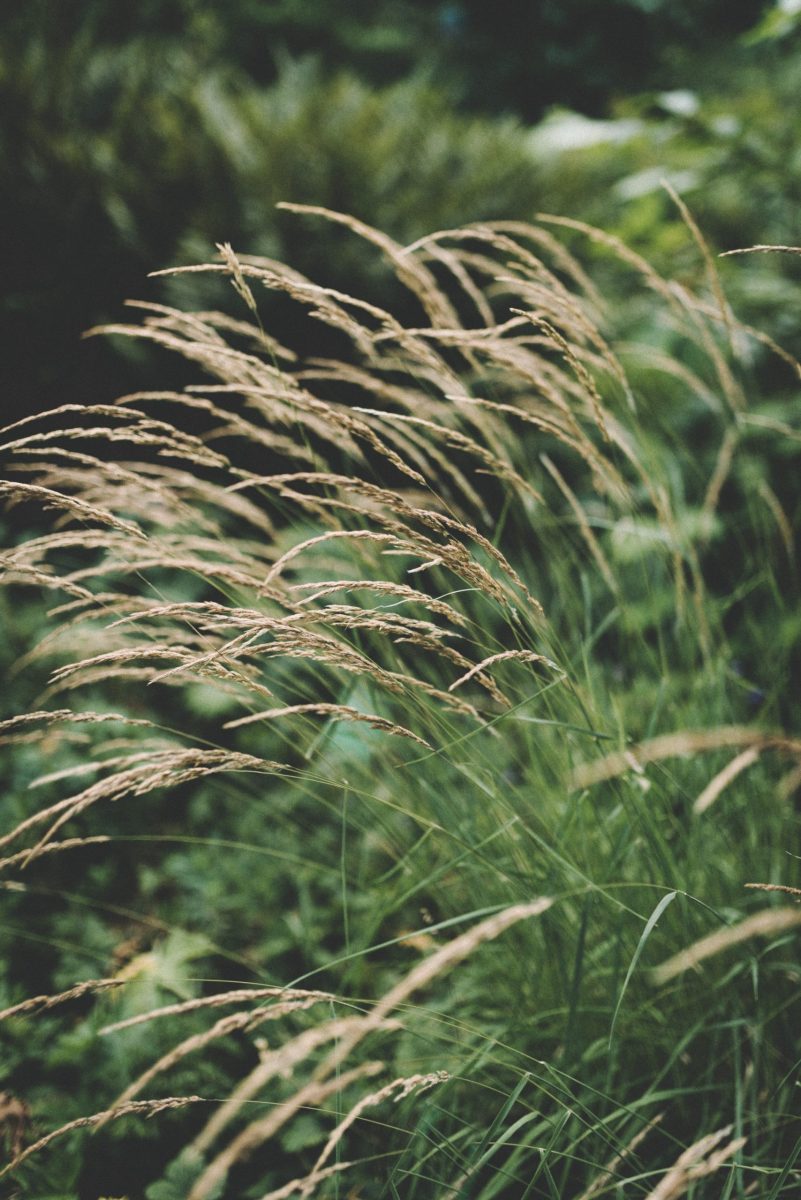
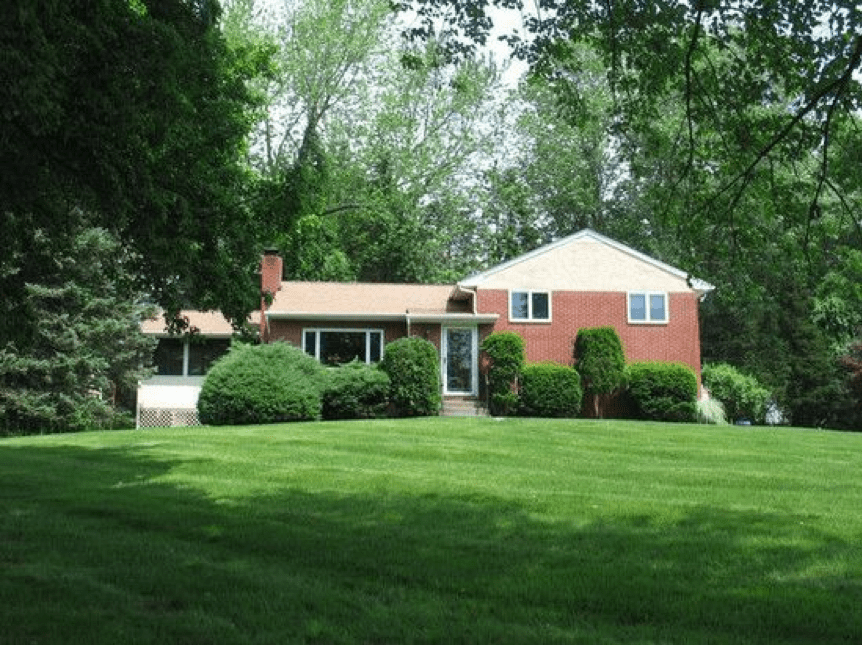
The backstory is simple. My family had rented a house on a half-acre of hilly grass, dogwood trees, and bushes in a suburban town 40 miles north of New York City. Bucolic, a little stagnant and — with the exception of my parents — quite conservative. The rental included the use of a small riding mower and it was my twelve-year-old task to unplug from Crosby, Stills and Nash or King Crimson and tromp outside to mow the lawn every week.
One day something went ‘sproiing!!!’ under the chassis and I had to push the damn thing down a high berm and into the garage to await repairs. I reported in but my folks were commuting to the city and working late so they never quite got around to fixing the thing.
early morning of the 12th July 2009. Photo by Kecko. Photo source: Wikipedia
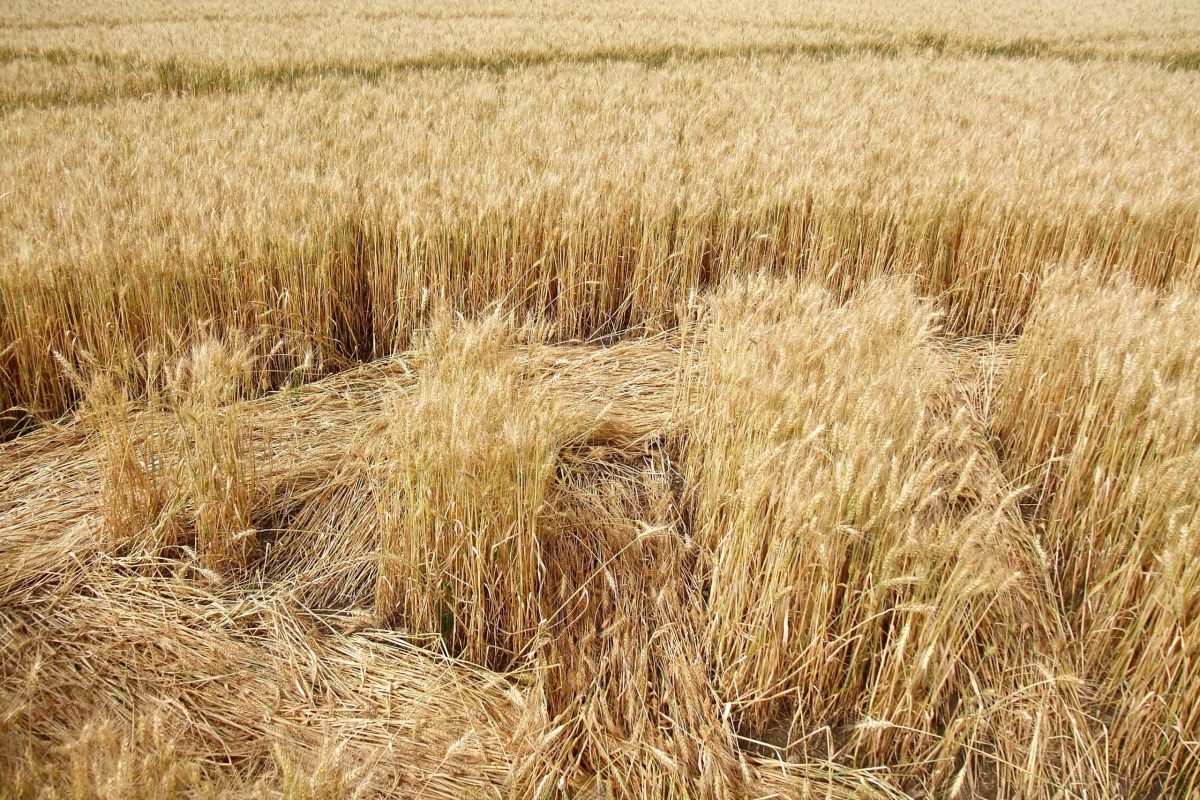
At some point my dad said, “Ah, the Hell with it, let’s just let it grow,” and in a few weeks we had a summer field three or four feet high, making our property an excellent candidate for a crop circle.
Bees, grasshoppers and many more small-fry made full use of it, and I found it pleasant to walk through the semi-wild landscape on my way to the driveway or my best friend’s house across the street. Field of Dreams it wasn’t, but it would do until Shoeless Joe or James Earl Jones came along.
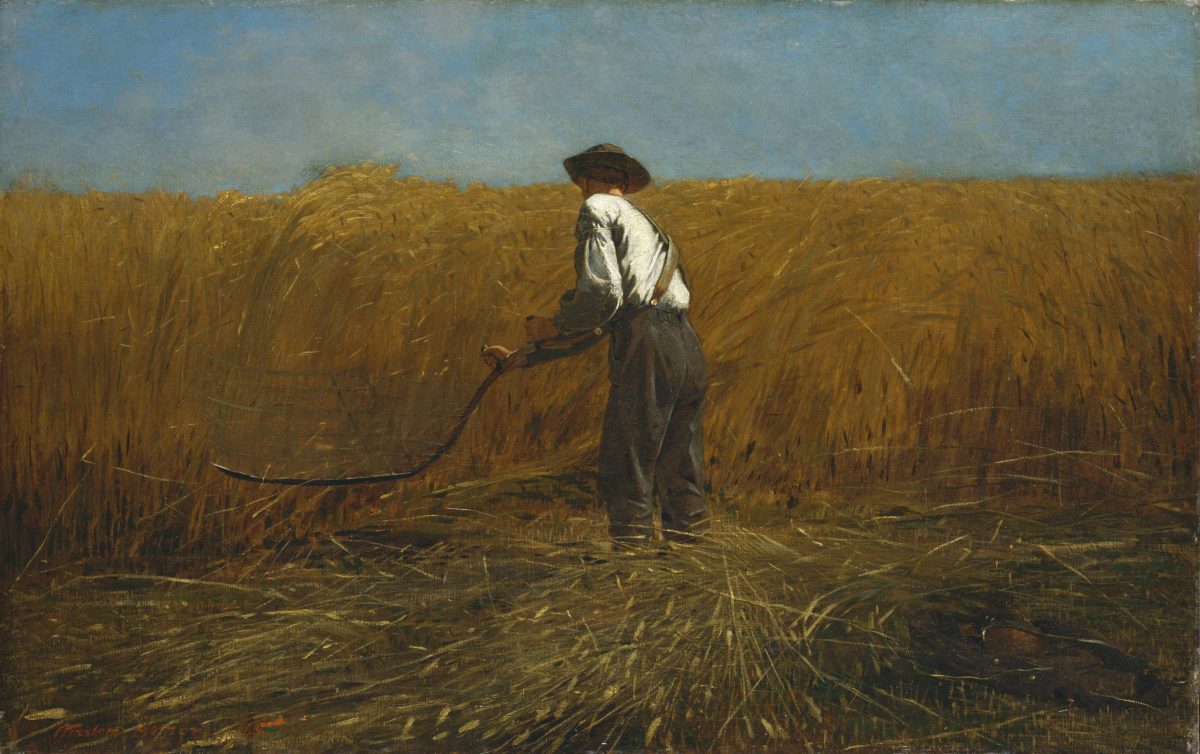
But community pressure goosed us into getting the mower working, and I spent the next few days choking the blades trying to cut a channel through the brush, but no joy: The darned stuff was too tough, and our mower couldn’t manage. So my dad and I got in the car and trundled down to the local hardware store to buy four scythes, a type of instrument I had never beheld until that day.

It is interesting that the scythe has not changed one iota since the bronze age. Neolithic man could step out of his stone hut, take one look at a modern implement, heft it, and stomp off to cut wild grain. But it took us a while to get the hang of it, used as we were to things that went on-and-off with a switch.
Over that weekend we looked like a family newly tossed from Eden. There the four of us were – two highly educated and sedentary middle-class adults and two would-be hippy teenagers — ranged in a line, bent slightly at the waist, sweeping our arms back and forth, back and forth, until the lawn was mower-friendly once again and we were racked with aches in muscles we didn’t know we had. We were far more tired than suburbanites usually got.

Eventually the grass was down in pungent, unruly piles. The cat was thoroughly confused, and the neighborhood kids disappointed but order — and property values, apparently — had been restored.
We bagged the stuff up in 75-gallon black-plastic bags which, incredibly, are still on the market. There were stuffed sacks everywhere, looking like the giant sandworms of Dune, until Yours Truly hauled them to the curb to be swept away by our regular garbage truck. The neighbors would not have approved had we left it in fragrant heaps to compost itself.
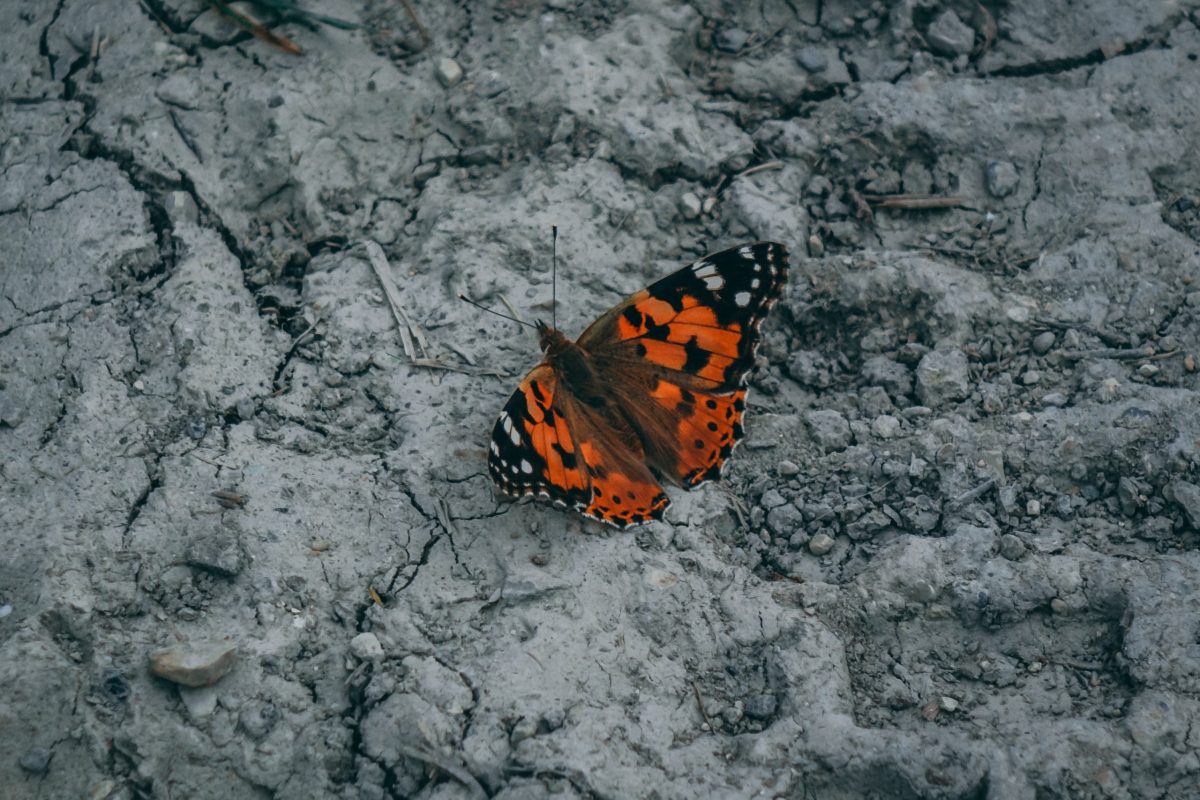
Now, it never occurred to any of us that the clippings might be better left so. That natural lawn was perhaps better than manicured. That the habitat it provided was exactly what was needed for fauna already being pushed to the edge. We were worried about tigers and whales, and never dreamt we were on the brink of losing a million species: that Monarchs and honey bees and birds and the less-glamorous creatures that made up most of the world’s fauna were also in trouble — in part due to lawns like ours.
In fact, aside from an address reading ‘Windmill Drive’, we weren’t thinking green then at all: we were just lazy. And yet for all that, we were way ahead of our time.
We’d allowed our lawn return to its natural state and we’d turned to an old-world, non-mechanical, Pharaonic-era tool to cut it when modern machinery broke down. And maybe that’s the right course all around. Perhaps wild lawns — not even needing the scythe other than to swath from door to driveway, house to garden and porch to mailbox — are a step towards restoring our lands and soils.