Quantifying the ROI of Sustainability
November 22, 2022

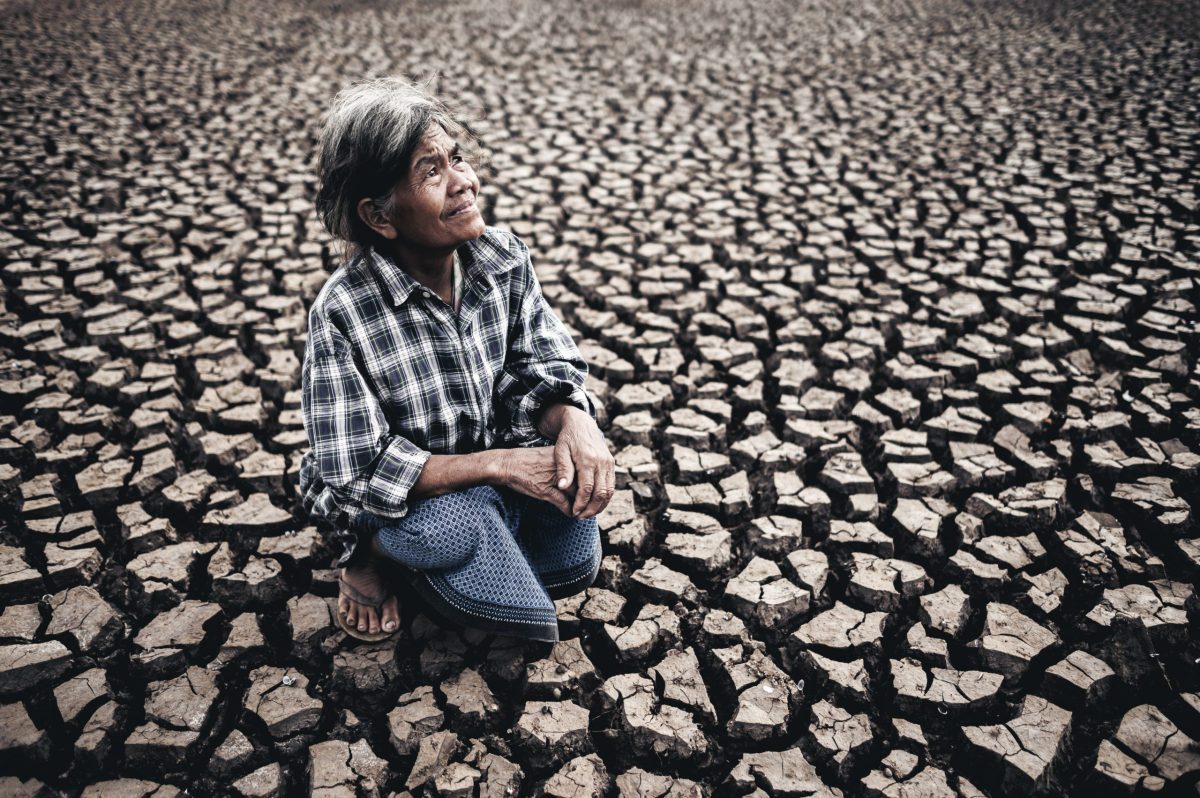
“It Was the Bad One, Mom”: A Letter from our Septuagenarian Kids.

Hi mom, hi dad. It’s us, the kids born in 2022, writing to you from 2095. As it turned out, we’re living through the IPCC 6th Assessment’s worst-case: the hellish ‘very-high emissions,’ scenario’ for 2080-2100. It’s not the zombie apocalypse, mom, but it’s bad. How bad? What are life and climate really like at the turn of the 22nd century? Well, well, glad you asked.”

November 21, 2022

Nairobi Accord: Proposed Planetary Purge of Pervasive Plastics Skips Production?

The planet finally came together in Nairobi, Kenya, to tackle the billions of pounds of the incredibly useful yet ubiquitous and everlasting polymers. With macro, micro, and nano plastics in every inch of the global environment, including human organ tissue, it’s a critical problem to tackle. They made a great start, and came up with the world’s first binding plastics treaty, currently being finalized. The problem? Production, the most problematic plastics issue, did not appear to be on the table
March 25, 2022

DMT Part 1:
Do More Today with Data, Metrics & Tools

All modern businesses are faced with the difficult challenge of capacity, puzzling out how to accomplish much more with much less. We’ve been hard at work inventing a broad portfolio of Data, Metrics, and Tools sustainability professionals can use to help their companies and clients Do More Today. Come on in for a tour of our workshop.
March 25, 2022

PNW Update:
A(tmospheric) River Runs Through It

Atmospheric rivers (AR), elongated tendrils of highly concentrated moisture in the atmosphere, are often thousands of kilometers long. They tend to move moist air from the tropics or subtropics northward toward the pole and play a critical role in the water cycle. Though some are severe, the majority over time have been helpful rather than the reverse. Pretty much all assessments agree though that, due to global warming, ARs will become more destructive, especially under the current high-emissions trend scenario that currently obtains. There may be an increase in the number of days under an AR of between 200%-300% by century’s end and meanwhile, places like the Pacific Northwest are being drenched.
March 25, 2022

Constitutionally Capable:
Italy Amends on the Environment

This February, two additions to the costituzione made environmental husbandry a pillar of Italy’s values as a nation. Article 9 now includes “protection of the environment, biodiversity and ecosystems, even in the interest of future generations,” as a fundamental principle.
January 25, 2022

New Names for the New Normal:
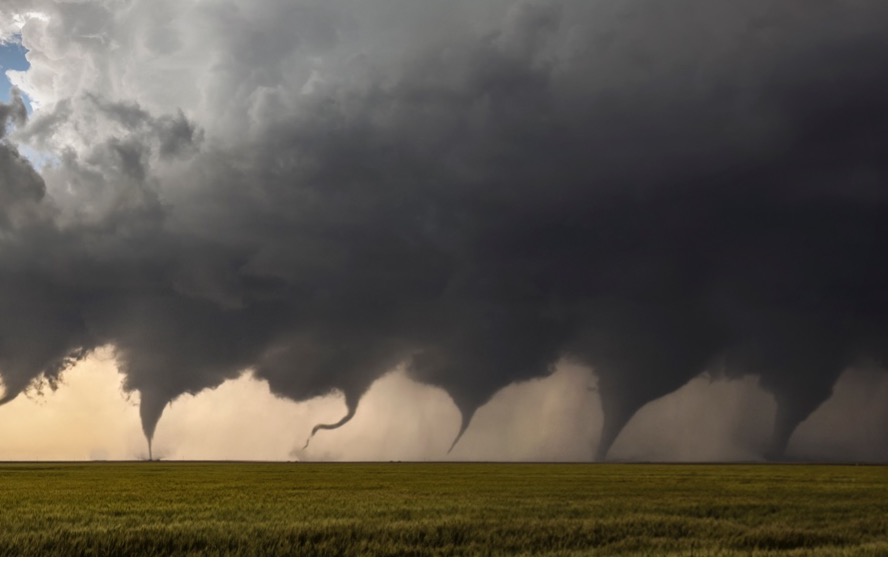
No Longer ‘Astonished’ by the ‘Big One’

Using hyperbole when describing latter-day climate events creates the illusion that such events are still, as they used to be, rare. Since humans plan and prepare for norms, not anomalies, such misnomers can feed the notion that climate change isn’t really happening… it’s just another 100-year storm. Such a discontinuity, as futurist Alex Steffen calls this phenomenon, requires people to reconcile an image of the world that was there with the new reality of the world that is.
January 25, 2022

The Sound of Thin Ice:
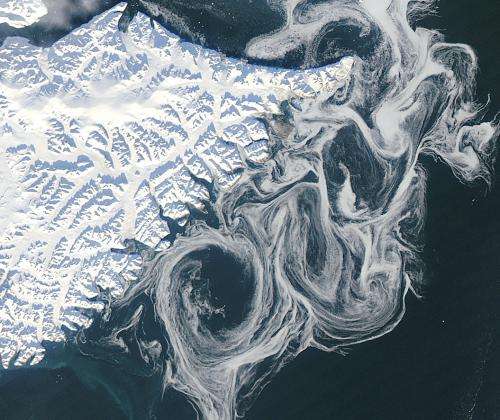
The Cryosphere is Crying

Once humans began walking upright and making Chevrolets, they could accomplish what only volcanoes, asteroid strikes, and changes in Earth’s orbit have done before: rapidly melt the cryosphere. The cryosphere, a critical and beautifully balanced component of a delicate ecological system, is creaking and groaning and, most importantly, thawing. Levels of carbon in the atmosphere from human activity are so dense that the next ice age, due in some 50,000 years, has been rained out. According to scientists, it won’t begin for at least another 100,000 years hence, and growing.
January 25, 2022

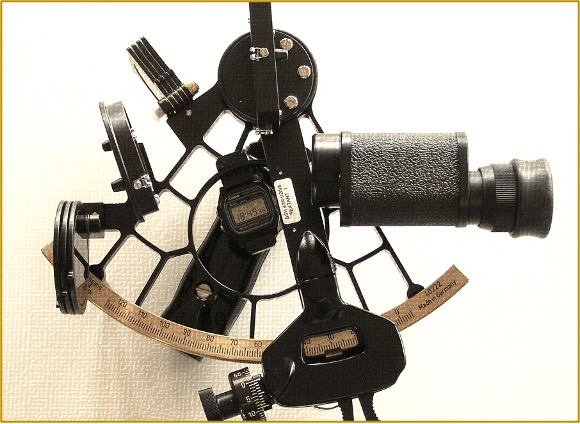
CSI: Weather
Climate Sleuths Investigate

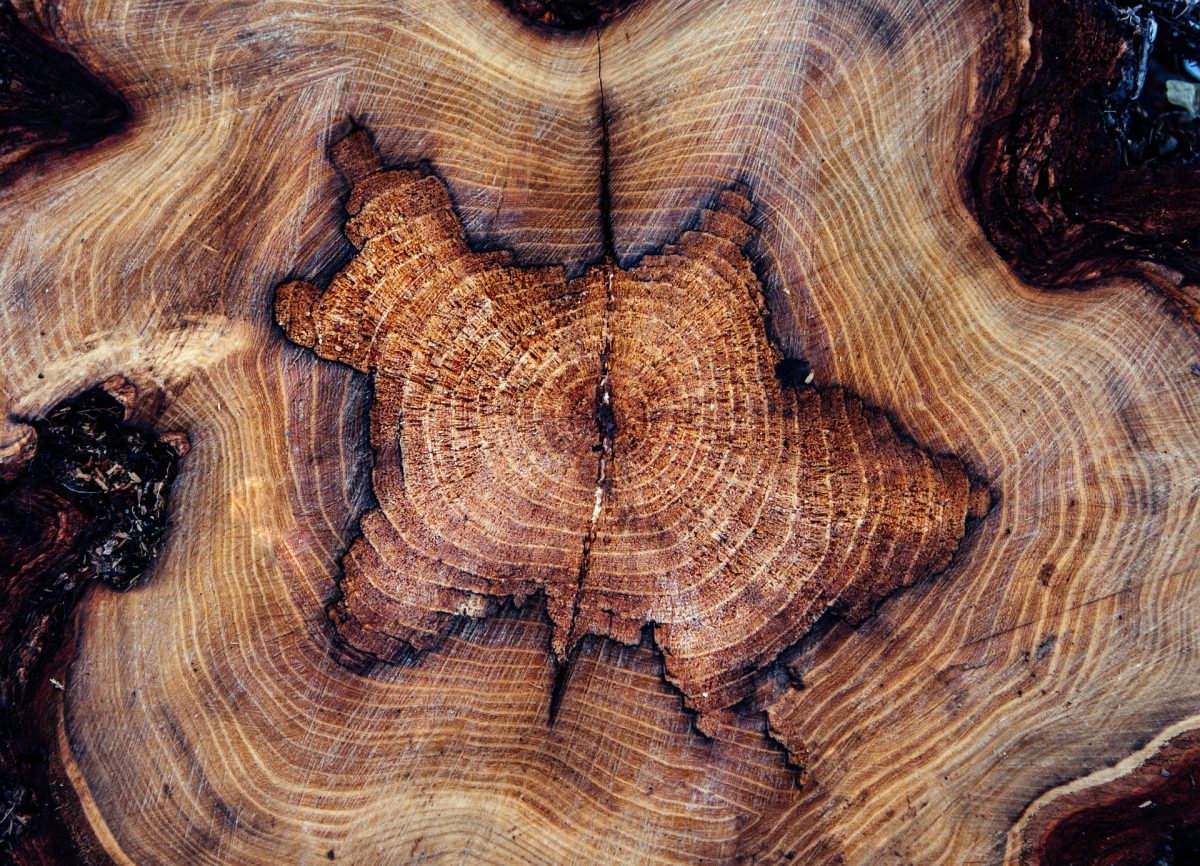
Climatologists are teasing out the extraordinarily complex systems and conditions that have obtained over the millennia. Measuring gas levels, air currents, saline conditions, flora and fauna, volcanic conditions, temperatures, meteor strikes, and more. They are doing this in order to understand how the climate is influenced by environmental factors, and to use that information to address how we can best manage the climate of today – and the even more dynamic one perhaps still to come. But wait, some of these conditions happened thousands, even hundreds of millions, of years ago. How are they getting their data? CSI: Climate Sleuths Investigate.
January 12, 2022

Noah Had it Easy:
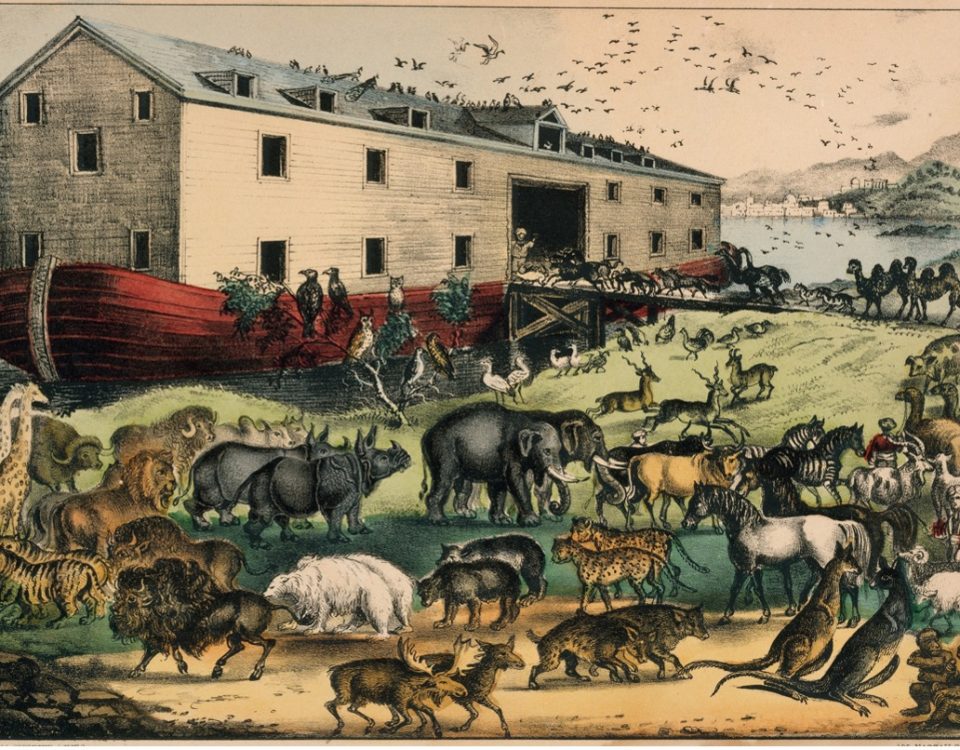
The Ark of Modern Species Preservation

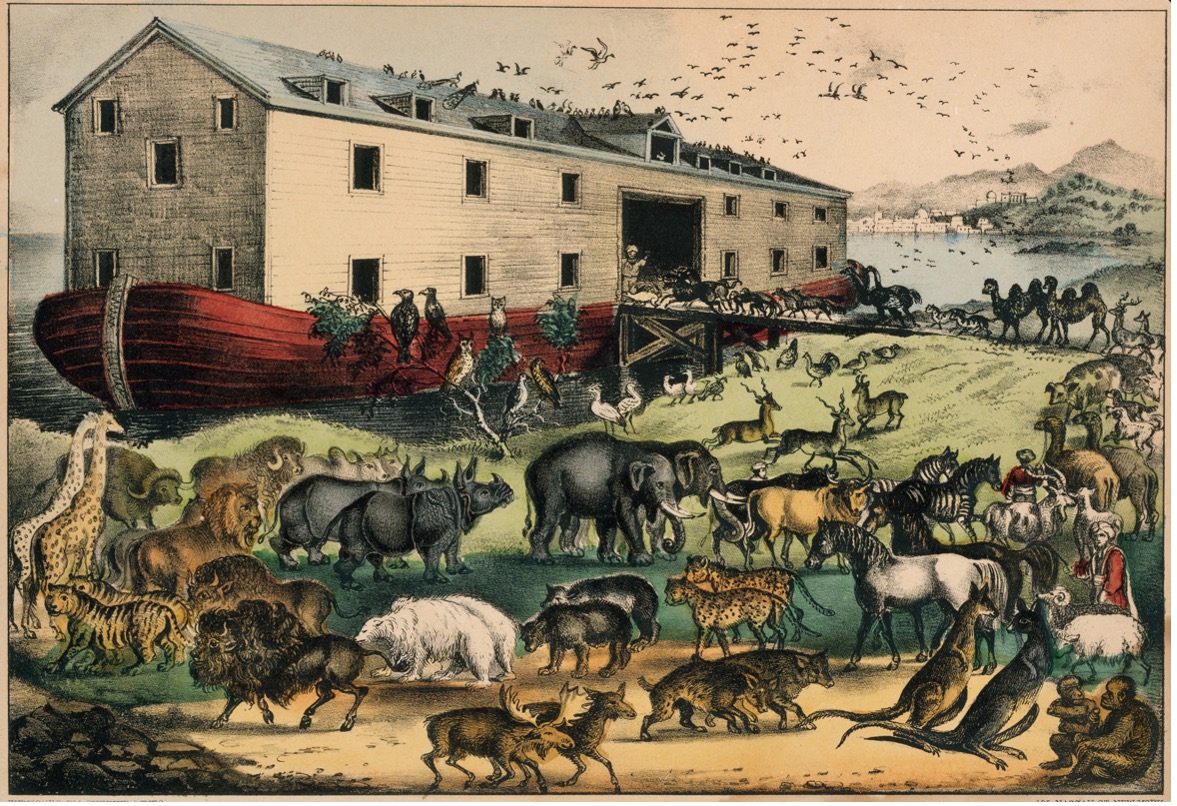
Noah, apocryphally tasked with saving the world’s fauna, received some highly detailed instructions about how to do it. Today, more than a million plant and animal species are slated for extinction and we’re scrambling to understand how to preserve them. Seed banks, zoos and aquaria, breeding programs, and in vitro embryos are some of the tools in use to keep as many of those creatures viable as possible. Whether or not those are enough remains to be seen.
Noah Had it Easy: <BR>The Ark of Modern Species Preservation
This website uses cookies to improve your experience. By using this website you agree to our Data Protection Policy.
Read more