Quantifying the ROI of Sustainability
January 12, 2022

What We Did on Our
Summer “Vacation”

Before looking forward, let’s recap the things on our front burners in 2021. The intensity of global sustainability efforts has placed its lack of useful professional tools into stark relief. Companies, already struggling with capacity, deserve a complete set of timesaving, flexible, interactive tools. Valutus added several such arrows to our quiver over the last year, designed to cut weeks or months of difficult work from tasks like performing materiality analyses, setting carbon targets, determining how to make commitments more credible, and aligning a corporation’s promises with its purpose and performance. We also enhanced the ability to quantify customer preference for sustainable products and companies using Customer Science™, and put hard dollar values on that preference via the InVEST™ model. And we crafted the most useful and up-to-date way to stay on top of what stakeholders expect (Stakeholder Science™), what issues are accelerating toward us (VIEWS™ and E3Evolution™), and how seeing over the horizon can help craft more robust scenarios and strategies (Scenario Science™). Plus, we revisited and updated our analysis of emerging risks and coined the term “Total Carbon Ownership” for the increasing tendency of regulators, customers, and the legal system to hold organizations accountable for their contributions to the climate crisis. (For more on what Valutus has been up to, and our tools and programs designed to create a surge in capacity, tease out sustainability’s low-hanging R.O.I., and dramatically increase speed on all the above, you can read more here)
January 12, 2022

Pancakes in Crisis:
Climate Change Saps our Syrup

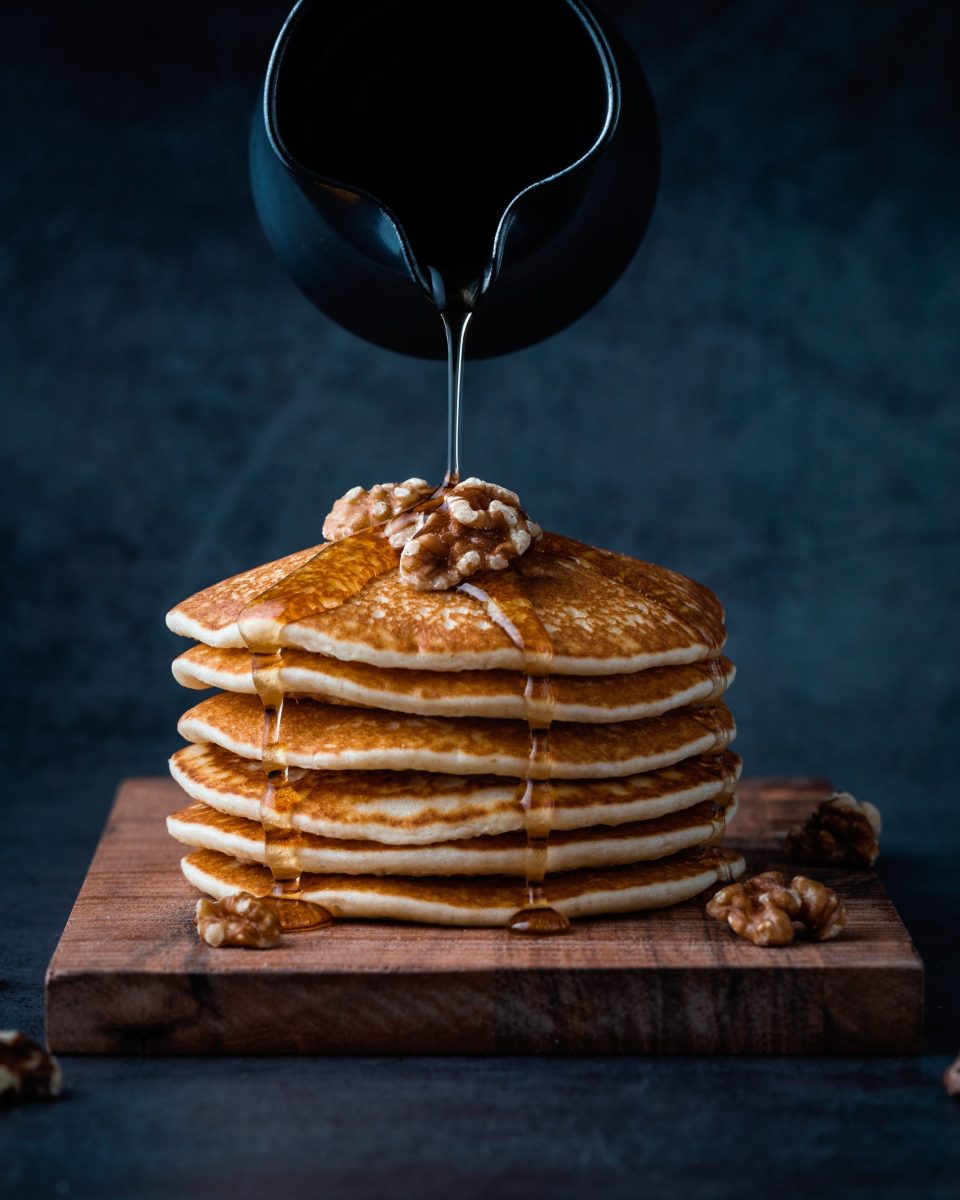
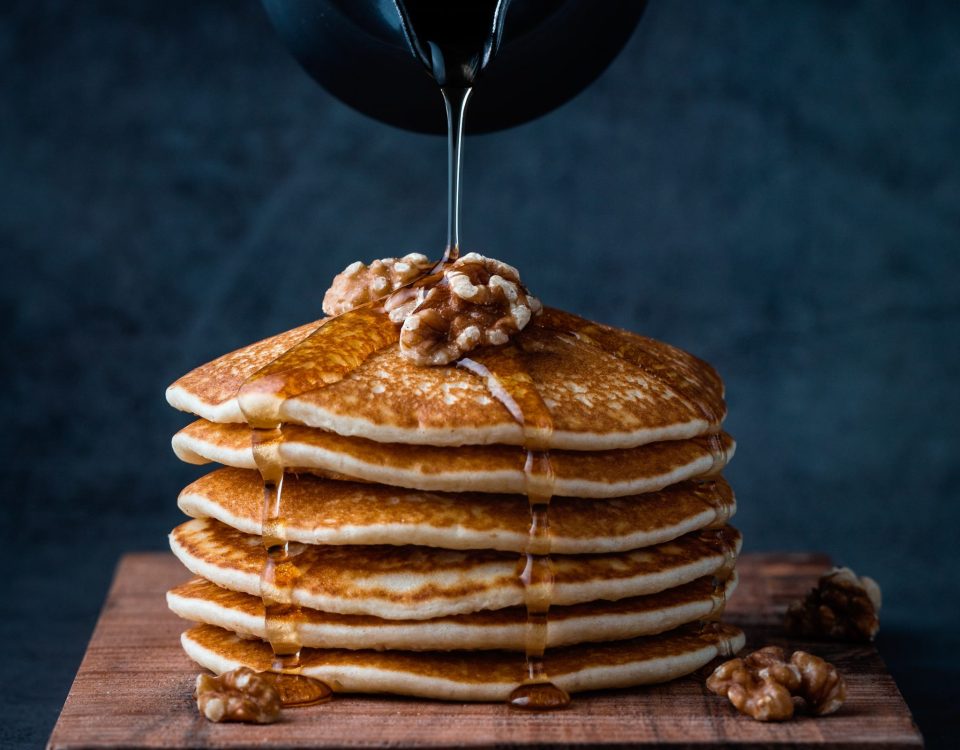
Fictional thieves went after Canada’s strategic maple syrup reserve in 2005 and, ten years later, real syrup desperados made off with a substantial chunk of it. In 2021, however, it was climate change that stole the sweet stuff. Climate ramifications meant a drop in production and half the reserves were emptied to cover the shortfall. The historical range and output of the sugar maple – from Tennessee to central Québec – is now at risk, as are flapjacks everywhere. There is, or may be, still time to keep this condiment in its proper latitudes but determining where the sap runs depends on us.
December 31, 2021

Seeing Forest Through Trees: Modern Alchemists Spin Wood Into Glass

A substance called lignin gives wood it's brown color and its opacity. Yet apply a little heat here, a pinch of vacuum there, a sprinkle of simple kitchen chemistry just so, et voila! A substance almost as clear as standard glass but stronger, more shatter-resistant, and generating almost no CO2 or dangerous chemical residues compared to glass.
December 17, 2021

Stakeholder Science™: The Stakes are High

The value of advance notice, to handle risks and find rewards, hasn’t changed. The trick is to gain that advantage, but how? The answer, we believe, is Stakeholder Science™. It was designed by sustainability and materiality experts for exactly this purpose, and is comprised of interlocking, proprietary services and methodologies that, together, offer rich context, data, and strategy . They illuminate the 'now' while scanning the horizon and reporting what's coming in real time, along with strategies designed to meet it.
December 16, 2021

The Challenge of Capacity

What happens when a company has more demand than capacity? Then again, what would happen if the entire field of sustainability had more demand than supply? Fortunately, both issues can be addressed with an elegant four-part solution: blazing-fast tools; better strategic information; catalytic techniques that amplify impact; and valuation showing that the ROI from more investment in capactity is more than worthwhile. A quiver full of such techniques can allow companies and sustainability executives to do much more with the capacity they already have, and to expand capacity so they can do even more.
December 10, 2021

Tilting our Windmills: Vertical Turbines in the Fast Lane

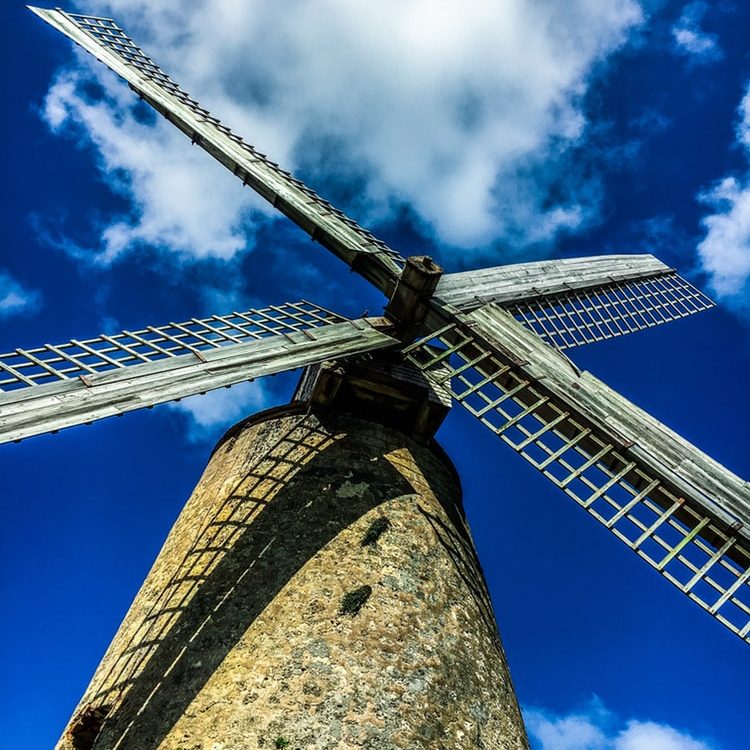
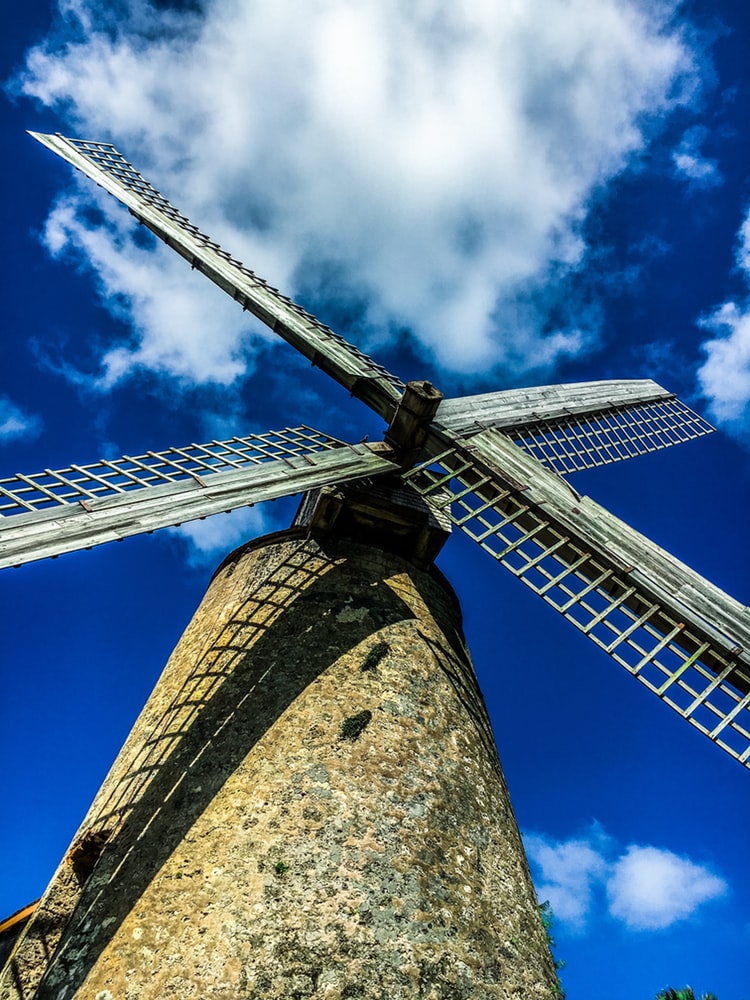
Anyone who’s changed a tire while semi-trailers roar past, or stood at the entrance to a subway tunnel as the train approaches, knows how much wind energy these machines generate. Yet that force blows wastefully away, dissipating in some field or side-tunnel. What if, instead, we harvested this energy to light our homes and run our machines? Turns out the cost of upright windmills - rather than the behemoths of the countryside - is quite low. The cost of the wind? Free as air.
December 9, 2021

Garbage in, Electrons Out? Thermophilic Bacteria Do Both

The electrical properties of certain bacteria have been studied for a long time. But now, it is believed the critters living and creating biofilm mats in certain Yellowstone thermal pools could be made to generate enough electricity to power small electronic devices. They could do this in some of the harshest environments on Earth, while gobbling PCBs and other environmental toxins for lunch. It may read like science fiction but, down the road, we may be powering our phones and computers with these microscopic, pollutant-munching, electron-streaming microbes.
November 8, 2021

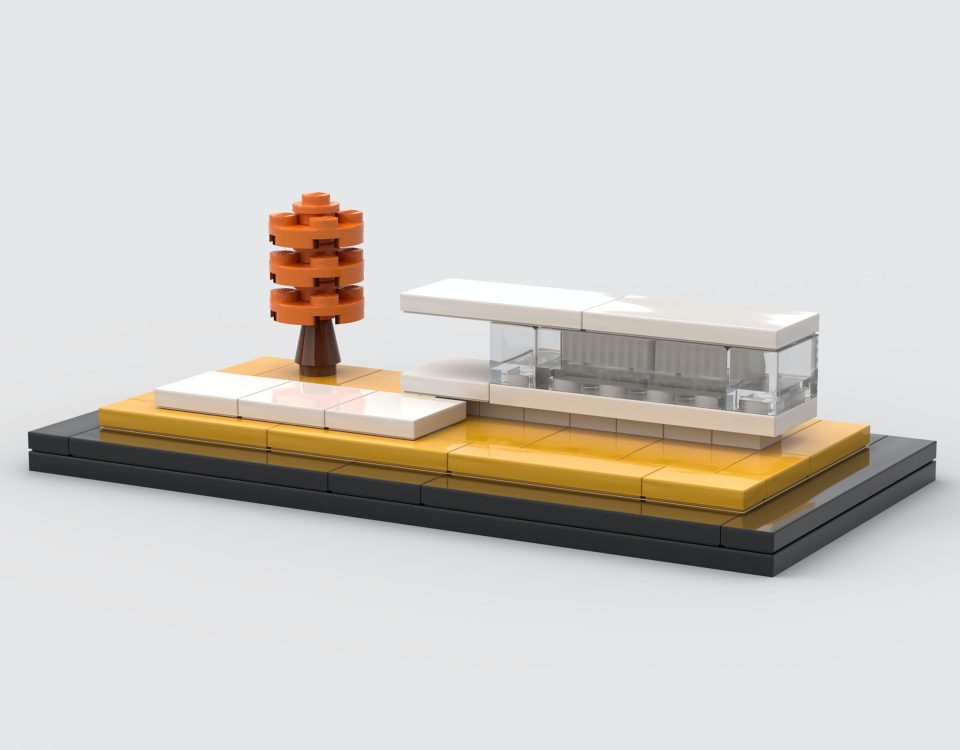
Gonna Build a Lego House? Move Over Ed (Sheeran), You’ve Got Company

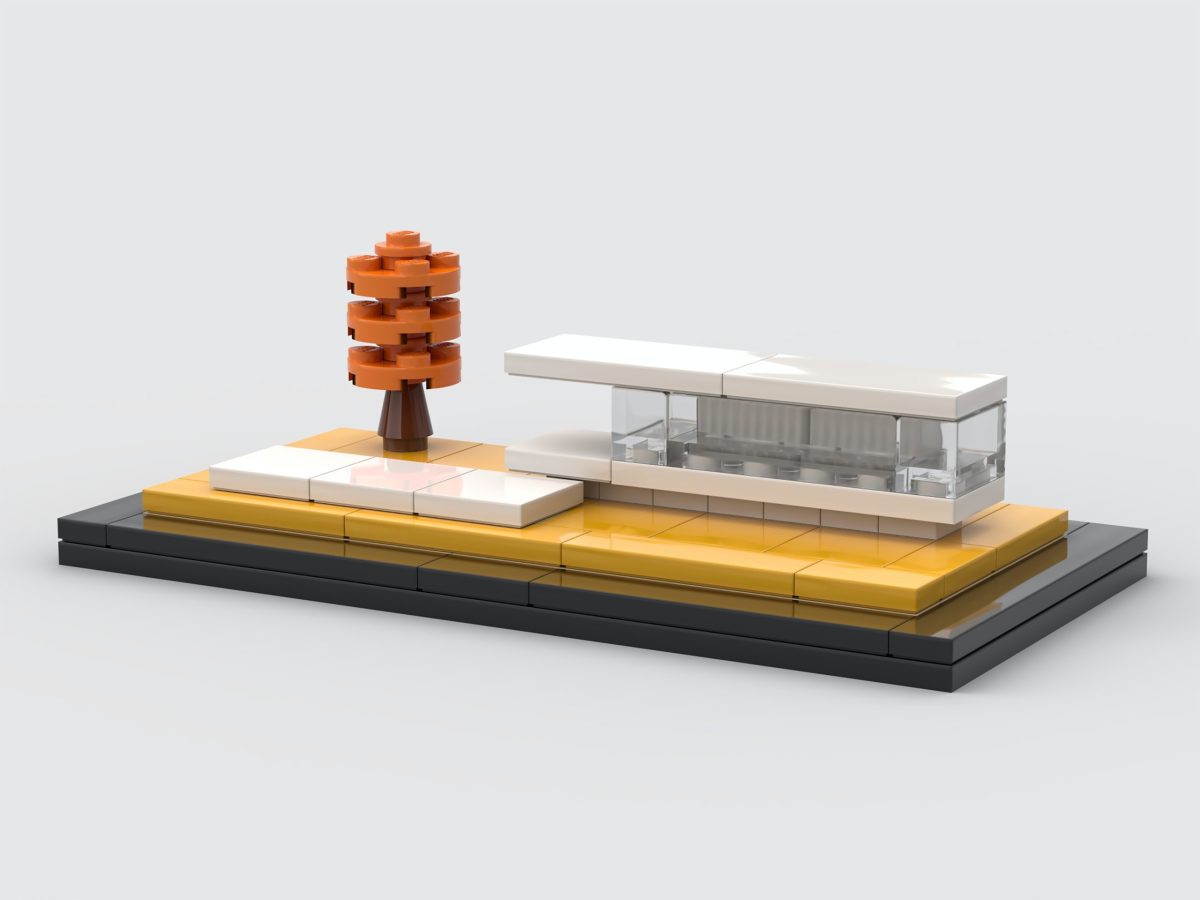
For all our elegance of design, the deconstruction of our buildings invariably ends in massive piles of toxic rubble. Architects and ingineers are working to unbuild our structures as thoughtfully as we build them. The useful lives of such Reversible Buildings transcend market conditions, making them far safer investments than standard structures. The question is, will we take the wrecking ball to our current model of construction?
Gonna Build a Lego House? Move Over                                                                         Ed (Sheeran), You’ve Got Company
This website uses cookies to improve your experience. By using this website you agree to our Data Protection Policy.
Read more