Quantifying the ROI of Sustainability
December 31, 2021

Seeing Forest Through Trees: Modern Alchemists Spin Wood Into Glass

A substance called lignin gives wood it's brown color and its opacity. Yet apply a little heat here, a pinch of vacuum there, a sprinkle of simple kitchen chemistry just so, et voila! A substance almost as clear as standard glass but stronger, more shatter-resistant, and generating almost no CO2 or dangerous chemical residues compared to glass.
December 17, 2021

Stakeholder Science™: The Stakes are High

The value of advance notice, to handle risks and find rewards, hasn’t changed. The trick is to gain that advantage, but how? The answer, we believe, is Stakeholder Science™. It was designed by sustainability and materiality experts for exactly this purpose, and is comprised of interlocking, proprietary services and methodologies that, together, offer rich context, data, and strategy . They illuminate the 'now' while scanning the horizon and reporting what's coming in real time, along with strategies designed to meet it.
December 16, 2021

The Challenge of Capacity

What happens when a company has more demand than capacity? Then again, what would happen if the entire field of sustainability had more demand than supply? Fortunately, both issues can be addressed with an elegant four-part solution: blazing-fast tools; better strategic information; catalytic techniques that amplify impact; and valuation showing that the ROI from more investment in capactity is more than worthwhile. A quiver full of such techniques can allow companies and sustainability executives to do much more with the capacity they already have, and to expand capacity so they can do even more.
December 10, 2021

Tilting our Windmills: Vertical Turbines in the Fast Lane

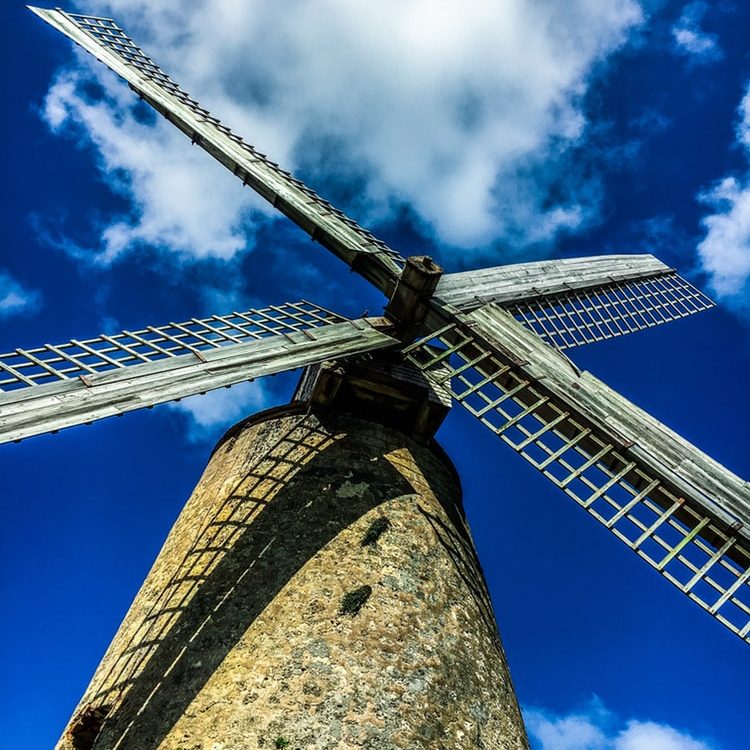
Anyone who’s changed a tire while semi-trailers roar past, or stood at the entrance to a subway tunnel as the train approaches, knows how much wind energy these machines generate. Yet that force blows wastefully away, dissipating in some field or side-tunnel. What if, instead, we harvested this energy to light our homes and run our machines? Turns out the cost of upright windmills - rather than the behemoths of the countryside - is quite low. The cost of the wind? Free as air.
December 9, 2021

Garbage in, Electrons Out? Thermophilic Bacteria Do Both

The electrical properties of certain bacteria have been studied for a long time. But now, it is believed the critters living and creating biofilm mats in certain Yellowstone thermal pools could be made to generate enough electricity to power small electronic devices. They could do this in some of the harshest environments on Earth, while gobbling PCBs and other environmental toxins for lunch. It may read like science fiction but, down the road, we may be powering our phones and computers with these microscopic, pollutant-munching, electron-streaming microbes.
November 8, 2021

Gonna Build a Lego House? Move Over Ed (Sheeran), You’ve Got Company

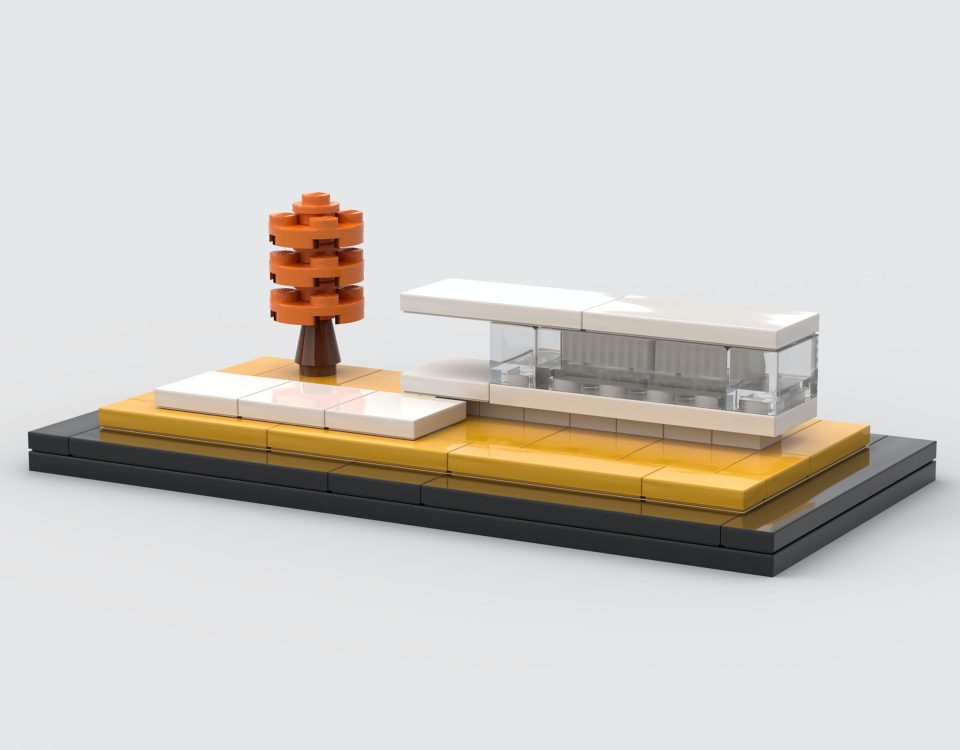
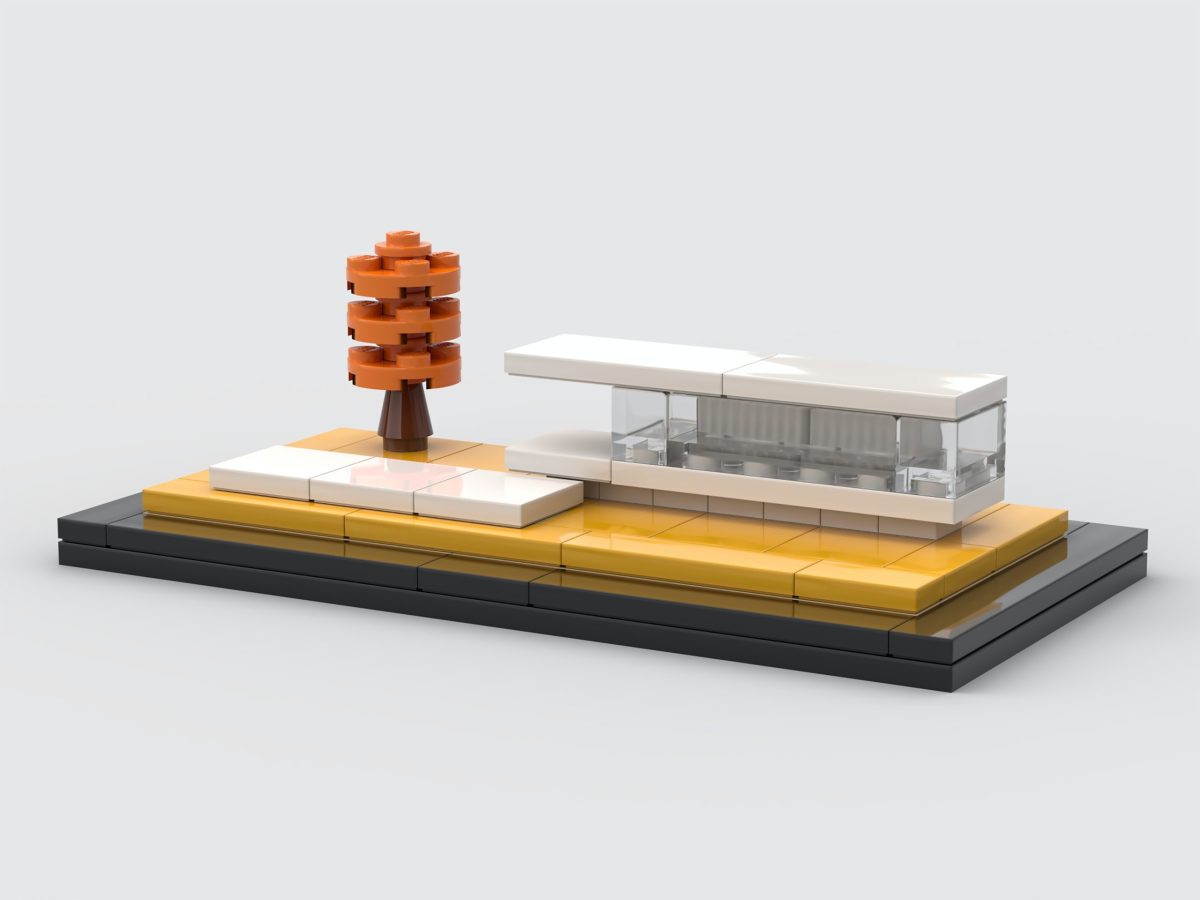
For all our elegance of design, the deconstruction of our buildings invariably ends in massive piles of toxic rubble. Architects and ingineers are working to unbuild our structures as thoughtfully as we build them. The useful lives of such Reversible Buildings transcend market conditions, making them far safer investments than standard structures. The question is, will we take the wrecking ball to our current model of construction?
November 8, 2021

Vietnam Varietals: The Race to Save Rice

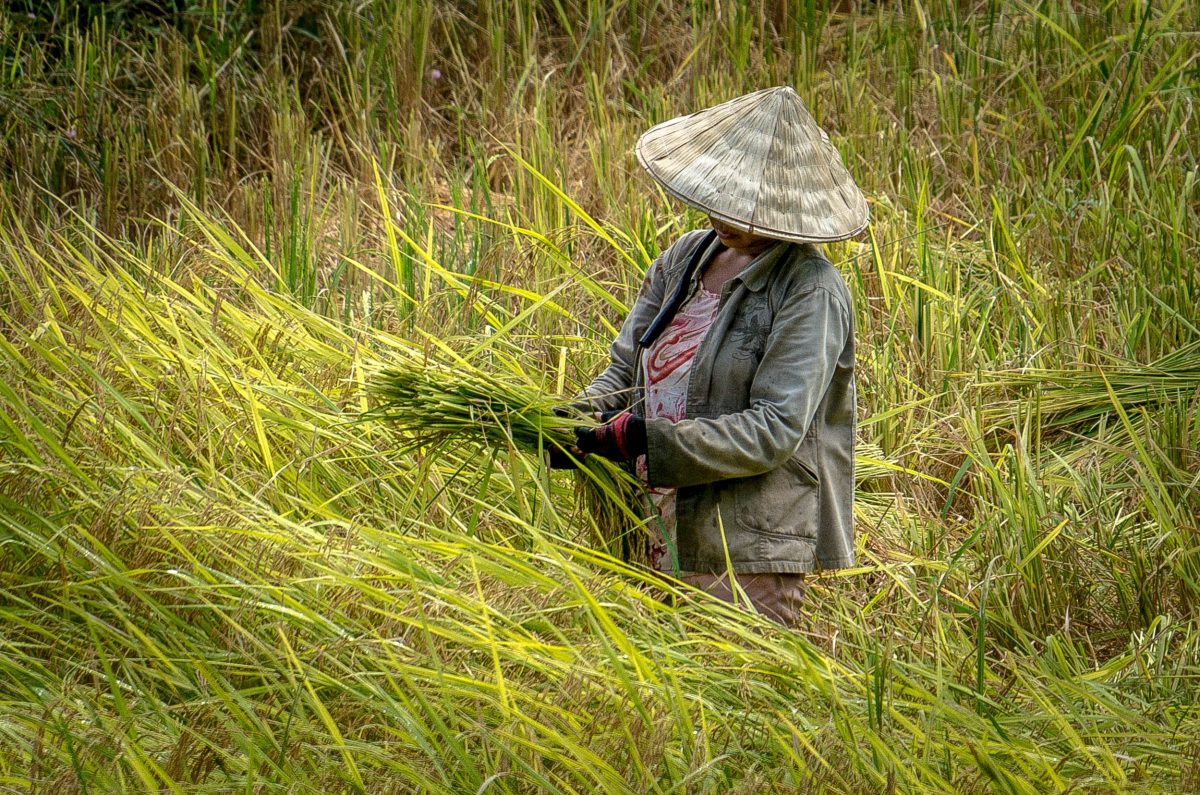
Rice is the single most essential food crop on Earth, the staple food of billions. Yet around the world, many rice varieties – and millions of other plant species – are being sorely tried by climate conditions they aren’t genetically adapted to. Still, some varieties can manage higher temperatures, wetter or drier conditions, and various elevations, better than others. Within its slender curves, Vietnam boasts temperate zones, tropical rainforests, mountain highlands, monsoon-swept flatlands and – to the south and east – more than 2,000 miles of corrugated coastline. In other words, it’s an ideal place to search for such varieties. This is not an academic exercise. Whole populations may soon be dependent upon the success of such a breeding program.

April and Paris: Is This the Onset of <br>the De-Carboniferous Period?
This website uses cookies to improve your experience. By using this website you agree to our Data Protection Policy.
Read more